Scrap Metal for Plumbers That Pays More
Published May 27, 2026 ·
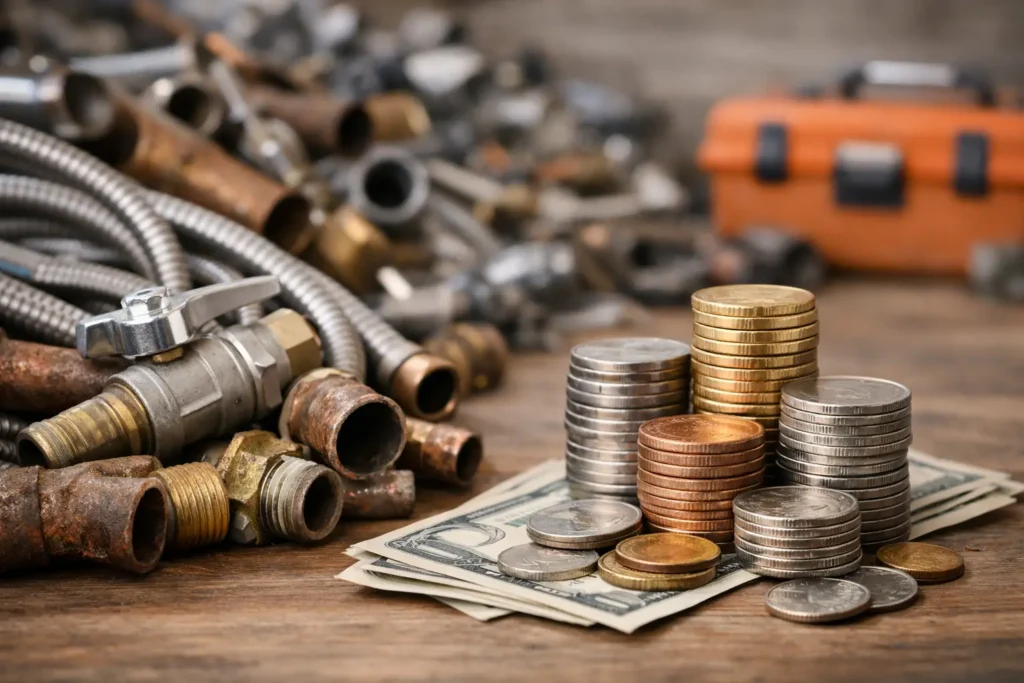
A plumber’s van can fill up with value faster than most people realise. Old copper pipe, brass tapware, stainless fixtures, hot water system parts, cable, valves and mixed fittings all add up. If you handle scrap metal for plumbers the right way, what looks like site rubbish can become a steady extra return on every job.
That only happens when the metal is sorted properly and sold to a yard that grades it accurately. If everything gets tossed into one mixed pile, you usually leave money on the table. For plumbers across Melton and wider Melbourne, the difference between a rough clean-out and a smart scrap routine can be worth real cash over a month, not just loose change.
Why scrap metal for plumbers is worth separating
Plumbing work creates a reliable stream of non-ferrous scrap. Copper is the obvious one, but it is not the only metal with value. Brass fittings, old meters, taps, valves, flexible connectors, stainless sinks, aluminium parts and even some lead from older jobs can all have resale value depending on condition, grade and quantity.
The key point is simple. Scrap yards do not price everything the same. Clean copper usually pays far better than mixed metal. Brass separated from steel attachments will often return more than a mixed bucket of fittings. Stainless can be worth sorting if you are doing renovation, commercial strip-outs or appliance removals. A few extra minutes on site or back at the workshop can make a noticeable difference when you cash in a load.
There is also the practical side. A clean, organised scrap setup keeps the ute tidier, reduces wasted storage space and makes end-of-week unloads quicker. For one-person operators that matters. For larger plumbing businesses, it helps the team avoid throwing saleable metal into the skip.
What plumbers usually collect
Most plumbers already handle valuable metals every week, even if they are not tracking it closely. Copper comes from pipe offcuts, old lines, cylinders, heating components and some cable. Brass shows up in taps, valves, backflow devices, fittings, meters and connectors. Stainless steel appears in sinks, troughs, trays, clamps and some commercial fixtures.
Then there is mixed scrap from demolition and replacement work. Hot water systems, pumps, pipe brackets, plant room fittings and old appliances can contain a mix of metals that still hold value when processed correctly. Not every item is high-grade, but volume matters. A regular pile of lower-value scrap can still become a worthwhile payout over time.
Condition matters as much as type. Clean metal with less contamination is usually worth more. If brass fittings are full of plastic or rubber, or copper still has too much insulation, the grading may drop. That does not mean it is worthless. It just means better preparation often gets a better result.
The metals that usually pay best
Copper is generally the standout for plumbers. Clean bright copper offcuts are usually among the strongest-paying materials because they are easy to process and highly recyclable. Copper pipe from rip-outs can also be valuable, though paint, solder, joins or contamination may affect how it is classified.
Brass is another strong earner. Plumbers often carry more brass scrap than they think, especially after maintenance work or fixture replacements. Taps, fittings and valves can add up quickly. If you remove obvious steel pieces or non-metal attachments first, that can help with grading.
Stainless steel is more of an it depends category. On a small domestic job, it may not be worth much on its own. On a kitchen, medical, hospitality or commercial fit-out, stainless can build into a proper load. Aluminium usually sits lower than copper and brass, but if it is clean and separated, it is still worth recovering rather than binning.
Lead from old plumbing work may also be accepted depending on the material and quantity. If you are unsure about what you have, accurate grading at the yard matters. Guesswork usually benefits the buyer, not the seller.
How to sort scrap metal on the job without wasting time
The best system is the one your team will actually use. It does not need to be complicated. Most plumbers can manage with a few clearly marked tubs or bins in the ute or workshop – one for copper, one for brass, one for stainless and one for mixed metals.
When a job is busy, no one wants to stand around playing scrap detective. So keep it practical. Strip out obvious rubbish, keep valuable metals separate, and do a quick second sort at the end of the day if needed. If a fitting is mostly brass with a small steel piece attached, set it aside for later rather than throwing it into general waste.
For larger operators, assigning one area in the workshop for metal sorting can save time across the whole crew. Small habits matter. If apprentices know where copper goes from day one, the pile builds itself. If everything gets dumped together, somebody has to clean up the mess later.
Common mistakes that cut your payout
The biggest mistake is mixing high-value metals with low-value scrap. Clean copper in with steel brackets, rubbish, plaster or plastic will not get the same result as copper kept separate. The same goes for brass mixed with random demolition waste.
Another common issue is assuming every yellow metal is brass or every silver metal is stainless. Some items are plated, mixed, or lower-value alloys. A reputable yard will identify and grade them correctly, but if you want the best return, it helps to separate what you know and ask questions about the rest.
Holding scrap too long can also cost you. Prices move with the market. Sometimes waiting works in your favour, sometimes it does not. If scrap is taking up room in the shed, cluttering the yard or bouncing around in the back of the ute, regular turnarounds usually make more sense than stockpiling for months.
What to expect from a good scrap yard
Plumbers do not want drama. They want a fair rate, fast service and clear answers. A good yard should weigh your material properly, explain the grade, sort where needed and pay promptly. If the process feels vague, slow or inconsistent, that is usually a bad sign.
This is where local service matters. For tradies, convenience is not a bonus. It is part of the value. A yard that can handle drop-offs quickly or arrange a ute pickup for larger loads saves time you could be spending on booked work. On-site weighing, straightforward grading and immediate payment make the whole thing worthwhile.
Melton Scrap Recycling works with both small tradie loads and larger commercial quantities, which suits plumbing businesses that generate anything from a weekly tub of fittings to full clean-outs from renovation and strip-out jobs. The point is not to make scrap complicated. The point is to get it off your hands, grade it properly and get you paid.
Scrap metal for plumbers on domestic and commercial jobs
Domestic work tends to produce smaller but more frequent scrap volumes. Think tap replacements, pipe offcuts, valve swaps, old hot water services and bathroom renovations. Individually these jobs may not look like much, but over a month they can build into a solid return if the metal is kept clean and separate.
Commercial work is different. Plant upgrades, fit-outs, strip-outs and maintenance contracts can produce heavier, more varied loads. There is often more stainless, more brass assemblies and more mixed demolition metal. In these cases, a ute can make more sense than multiple trips to the yard, especially when access, timing and labour are all part of the equation.
The right approach depends on volume. A sole trader might drop off once a fortnight. A larger plumbing contractor may need regular collections and a cleaner system for bulk sorting. Either way, the same rule applies – separate the good material early and do not let saleable scrap disappear into the skip.
Turning scrap into a better habit
The plumbers who get the most from scrap are usually not doing anything fancy. They just treat it like part of the job. They know copper is not rubbish. They know brass fittings have value. They know that two minutes of sorting can beat throwing money into a bin.
That mindset pays off in more than one way. You recover value from work already done, keep reusable metal out of landfill, and run a tidier operation. For trade businesses watching every margin, that is common sense.
If you are already pulling metal off jobs every week, there is no reason to let it pile up unsorted or go to waste. Get it separated, get it graded properly and get paid for it. A few buckets of scrap might not look like much on Monday. By Friday, they can say otherwise.