Cash for Copper Wire in Melton
Published May 25, 2026 ·
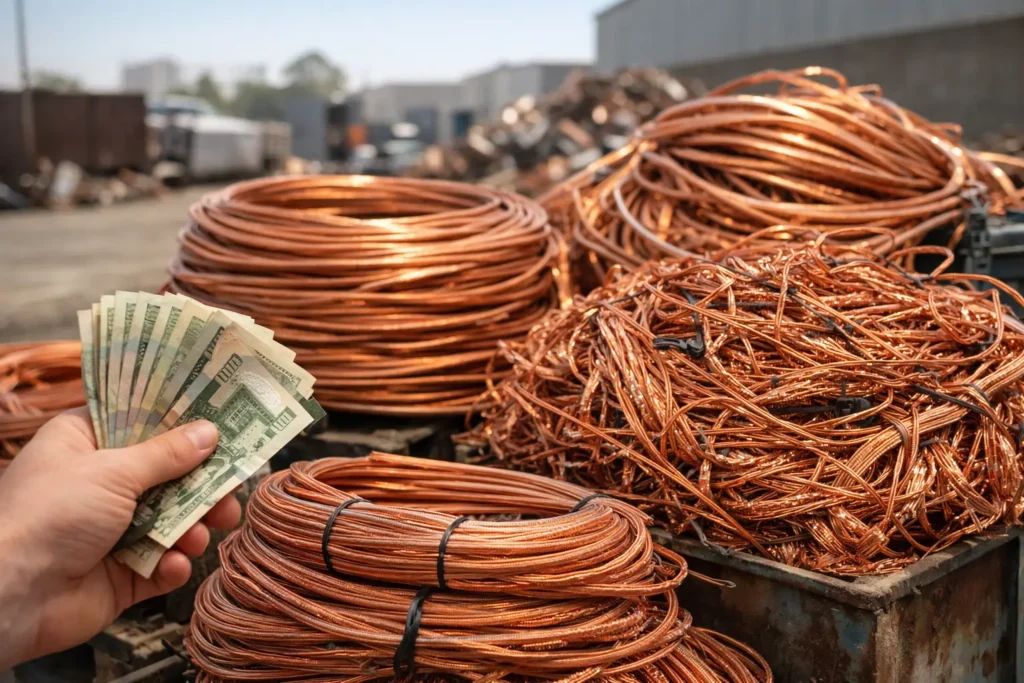
Copper wire adds up faster than most people expect. A few offcuts from a reno, old cabling from a shed clean-out, or stripped wire from regular trade work can turn into real cash for copper wire when it is weighed, graded and sold properly. If you have copper sitting in a pile, in a ute tray, or mixed through other scrap, the difference between a rushed drop-off and a well-prepared load can be worth it.
Why copper wire is worth selling
Copper is one of the most valuable non-ferrous metals in the scrap market, which is why wire is always worth a look before it goes in the bin. Electricians know this already, but homeowners, builders and workshop operators often underestimate how much recoverable value is sitting in old cable, appliance wiring and leftover site materials.
The reason is simple. Copper keeps strong recycling value because it can be processed and reused without losing its core properties. That makes it useful across construction, electrical work, manufacturing and infrastructure. When demand is healthy, clean copper wire can return a strong price compared with mixed household scrap.
That said, not all wire is paid the same. The grade matters, the cleanliness matters, and the amount you bring in matters too.
What affects cash for copper wire
If you want the best return, it helps to know what scrap yards are actually looking at. Copper wire is not priced on guesswork. It is usually assessed by metal content, contamination, insulation, and whether the load has been sorted properly before it reaches the yard.
Clean versus insulated wire
Clean, stripped copper wire usually commands a better rate than insulated wire because there is less processing involved. If the copper is bright, uncoated and free from solder, connectors or heavy contamination, it will usually sit in a higher-value category.
Insulated wire can still be worth selling, and in many cases it is not worth the time stripping it yourself unless you have volume. Thin household cable with a lot of plastic insulation may not justify the labour. Heavier cable with a high copper recovery rate can be a different story. It depends on the type of wire, how much you have, and how quickly you want to move it.
Mixed loads and contamination
Copper wire thrown in with steel, brass fittings, rubbish, dirt or general demolition waste is harder to grade and often slower to process. That can affect what you get paid. Clean material is easier to weigh, easier to classify and easier to price fairly.
Burnt wire is another issue. Some sellers assume burning insulation off wire is a shortcut. It is not. Burnt copper can be downgraded, and it raises safety and environmental concerns. If you are trying to maximise value, clean sorting beats shortcuts every time.
Volume changes the job
A small bucket of wire and a commercial load are handled differently. For a homeowner, convenience and immediate payment might matter most. For a contractor or factory, the priority is usually efficient collection, accurate on-site weighing, and consistent grading across repeat loads.
Larger volumes also make pickup more practical. If your site has drums of cable, demolition scrap, switchboard offcuts or recurring non-ferrous waste, collection can save time and keep the site clear.
How to get better cash for copper wire
The quickest way to improve your return is to do a bit of sorting before you sell. You do not need to overthink it, but a few practical steps can make the load easier to assess and help avoid lower-value mixed pricing.
Separate copper wire from steel, aluminium, batteries and general rubbish. Keep heavier cable away from light household wire if you can. Remove obvious non-metal attachments such as plugs, plastic housings or fittings where it is easy to do so. If some wire is stripped and some is insulated, keep those apart as well.
You also want to keep the copper dry and reasonably clean. Mud, plaster, concrete dust and wet site waste do not add value. They just make grading harder. For trades and commercial sellers, storing offcuts in dedicated bins or drums instead of mixed scrap piles usually pays off over time.
There is also the question of whether to strip the wire yourself. For some sellers, yes. For others, no. If you are dealing with thick single-core cable and have the right gear, stripping may improve your return. If you are spending hours on low-yield cable, the labour can wipe out the gain. The smart move is to look at the volume, the wire type and your time.
Who usually sells copper wire
Copper wire comes from more places than people realise. Electricians and sparkies are obvious sellers because they generate regular offcuts, old cable and site scrap. Builders, demo crews and plumbers often recover wire during strip-outs and renovations. Mechanics and auto dismantlers may also have wiring looms and electrical components worth separating.
Then there are the smaller household loads. Old extension leads, appliance cords, garage clean-outs, shed scrap and leftover renovation materials can all contain copper wire. On their own, these loads may not seem like much. Combined, they can be worth bringing in, especially when you are already clearing out other non-ferrous metals.
Factories, warehouses and workshops sit at the other end of the scale. They often deal with recurring cable waste, machine wiring, decommissioned equipment and industrial scrap. For these sellers, speed and reliability matter just as much as rate.
What to expect at the yard
A decent scrap transaction should be straightforward. Your copper wire is inspected, sorted by grade, weighed properly and paid at a market-based rate. No vague estimates. No confusion about what fell into what pile. Just a clear process.
That is where experience matters. Accurate grading protects both sides. If the load is cleaner than expected, you should be paid accordingly. If it is mixed or contaminated, you should be told why that affects the price. Transparent quoting is not a bonus. It is the baseline.
For many sellers, fast turnaround matters just as much. You do not want to spend half a day waiting around to offload a few tubs of cable or a commercial batch from site. A well-run yard keeps things moving, especially for tradies and businesses trying to get back on the road.
Cash for copper wire pickup or drop-off
Drop-off works well when the load is manageable and you want payment on the spot. It suits homeowners, tradies with smaller daily scrap volumes, and anyone already passing through with a ute or trailer.
Pickup makes more sense when the load is bulky, repeated, or tied up in site operations. If you have factory scrap, demolition material, large cable runs or ongoing commercial waste, collection saves labour and cuts downtime. Same-day service can be a big advantage when scrap is taking up space or holding up a job.
For businesses across Melton and surrounding areas, that flexibility matters. Some jobs need a quick yard visit. Others need proper collection logistics, on-site handling and efficient removal without slowing the crew down.
Why local knowledge matters
Copper pricing follows the market, but service quality is local. A local recycler understands the mix of sellers in the area, from household clean-ups to trade scrap and industrial loads. They know that one customer wants a fast answer on a few kilos of cable, while another needs scheduled collections and consistent grading across multiple bins.
That is why sellers in Melton often look for more than just a headline rate. They want fair dealing, prompt payment and a process that does not waste time. Melton Scrap Recycling works that way – practical service, clear pricing and fast turnaround for both small and large copper wire loads.
When it pays to act quickly
A lot of copper wire sits around for months because people plan to sort it later. Later usually turns into never. Meanwhile, it clutters the garage, workshop, factory corner or job site. Selling it sooner keeps your space clear and turns dead weight into working cash.
That matters even more for trades and commercial operators. Scrap has a habit of spreading. One tub becomes three. A few coils turn into a pile behind the shed. Once it is mixed with general waste, the job gets slower and the value gets harder to recover.
The simple move is often the best one. Sort the wire, keep it clean, and sell it through a yard that grades it properly and pays without mucking you about. If you have copper sitting idle, there is no prize for letting it gather dust when it could already be back in your pocket.