Choosing a Scrap Metal Recycling Centre
Published May 23, 2026 ·
A pile of copper offcuts, old car parts in the shed, aluminium frames from a reno, stainless scrap from a workshop – it all has value, but only if you take it to the right scrap metal recycling centre. The difference between a smooth transaction and a wasted afternoon usually comes down to three things: price, speed and whether the yard knows exactly what it is looking at.
If you are a homeowner clearing out clutter, a tradie with regular offcuts, or a business moving bulk metal, you do not need a sales pitch. You need a straightforward process, accurate grading and payment without mucking around. That is what a good yard should deliver.
What a scrap metal recycling centre actually does
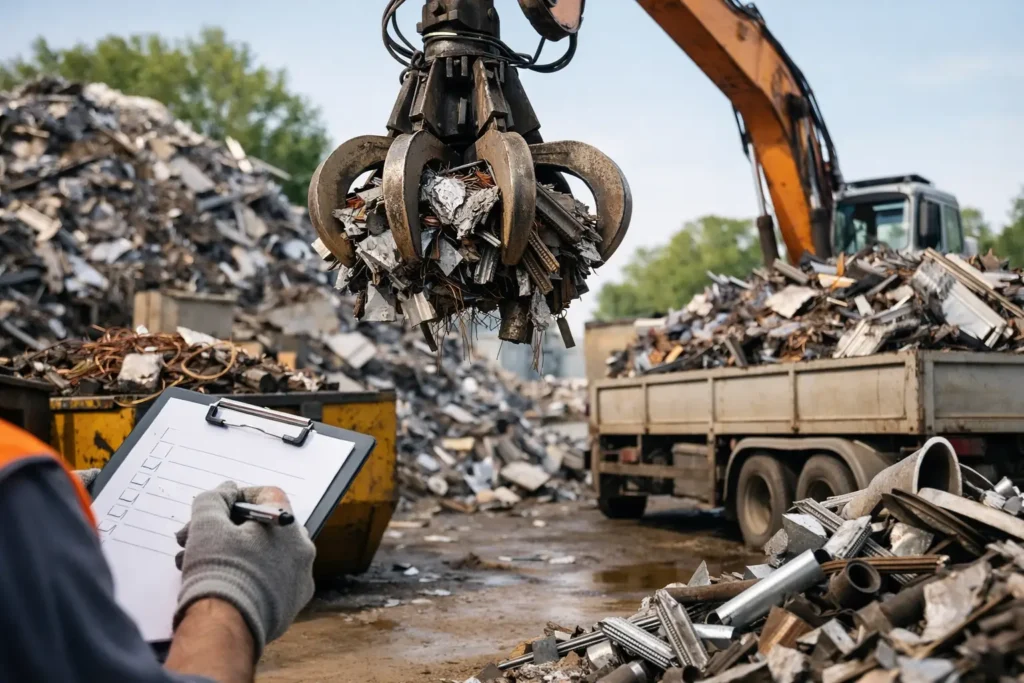
At a basic level, a scrap metal recycling centre buys unwanted metal, sorts it, grades it and sends it back into the recycling chain. That sounds simple enough, but the quality of that process matters. If metal is misidentified, mixed badly or weighed incorrectly, the seller loses out.
A proper yard does more than just throw scrap on a scale. It separates ferrous and non-ferrous metals, checks contamination, assesses grade and pays according to current market conditions. That matters whether you are bringing in a bucket of brass taps or several tonnes of industrial scrap.
The better operators also make the job easier from the start. That can mean same-day pickup, on-site weighing, fast unloading, clear quoting and immediate payment by cash or EFT. For trade and commercial customers, those details are not extras. They are the difference between getting back to work and losing half the day.
Why pricing is not as simple as a flat rate
Anyone promising one fixed price for all scrap is either oversimplifying or setting you up for disappointment. Scrap value depends on the type of metal, grade, cleanliness, quantity and the live market. Copper does not pay the same as mixed steel. Clean aluminium is different from painted or contaminated aluminium. Stainless varies as well.
That is why transparent quoting matters. A trustworthy yard should explain what you have, how it is classified and why it is being paid at a certain rate. If you are selling regularly, that transparency helps you sort better on site and get more from future loads.
There is also a trade-off between convenience and preparation. If you turn up with everything mixed together, the yard can still process it, but you may not get the best possible return on every item. If you separate copper, brass, aluminium, stainless and steel before you arrive, the process is faster and the payout is usually better. For busy worksites, though, time has value too. Sometimes a mixed commercial pickup makes more sense than spending hours sorting low-volume material by hand.
What to look for in a scrap metal recycling centre
Not every yard operates the same way. Some are built for small public drop-offs. Others are set up for high-volume industrial loads, bin services or vehicle recycling. The right choice depends on what you are selling and how often you need the service.
For most sellers, the first sign of a reliable scrap metal recycling centre is straightforward communication. You should be able to ask what materials are accepted, how payment works and whether pickup is available, and get a clear answer. No vague rates. No confusion about grading. No surprises once the load is on the scale.
Speed matters too. Homeowners want to clear space without multiple trips. Tradies want to drop and go. Workshops and factories need collections that fit around operations, not the other way around. If a yard can offer same-day service and quick turnaround, that has real value.
Then there is capability. A good operator should be able to handle more than one category of scrap. Copper, brass, lead, aluminium, stainless steel, car bodies, batteries, machinery scrap and demolition metal all need different handling. If a yard only wants the easy stuff, you may end up making extra calls and extra trips.
Different sellers need different service
A homeowner cleaning up after a renovation usually wants simplicity. They may not know whether a pile of metal is worth separating, or whether old whitegoods, fencing or wire can be accepted. In that case, clear advice and an easy drop-off process are often more important than squeezing every last dollar from the load.
Tradespeople tend to look at it differently. Electricians, plumbers, roofers and mechanics often generate repeat scrap with real value, especially in copper, brass and aluminium. For them, accurate grading and consistent pricing matter more over time than one-off convenience. A yard that gets those categories right can become part of the weekly workflow.
Commercial and industrial sellers have another set of priorities again. They may need regular pickups, site-cleared loads, reporting, fast turnaround for bulk quantities and confidence that large volumes will be processed efficiently. In these cases, logistics and scale matter just as much as rate per kilo.
Getting paid properly starts before you arrive
The easiest way to improve your return is to present cleaner, better-sorted scrap. That does not mean every seller needs to spend hours stripping every piece of wire or dismantling every component. It means understanding where the obvious value sits.
Clean copper with minimal insulation or attachments is generally worth more than mixed copper scrap. Brass taps and fittings are better kept separate from steel fixings and rubbish. Aluminium window frames often pay better if glass, plastic and screws are removed where practical. With stainless, mixing kitchen-grade scrap with general mixed metal can drag the whole load down.
There is an it depends factor here. If you have a small domestic load, over-processing can waste your time. If you have regular volumes from a worksite or workshop, sorting as you go can make a noticeable difference across the month. The right yard should be able to tell you what is worth separating and what is not.
Car bodies, batteries and industrial scrap need proper handling
Some of the most valuable loads are also the ones that need the most care. Car recycling is not just a matter of dropping off a shell. Fluids, batteries, tyres and reusable components all affect the process. If the vehicle is incomplete or badly contaminated, that can change the payout.
Battery recycling is another category where proper handling matters. Lead-acid batteries have value, but they also need safe storage, transport and processing. The same goes for larger industrial scrap, factory clean-outs and old machinery. These loads can be heavy, awkward and time-sensitive, especially when they are tied to a shutdown, relocation or demolition schedule.
That is where an experienced local operator earns its keep. Melton Scrap Recycling, for example, handles both public drop-offs and commercial pickups, with grading, sorting and prompt payment built into the process. For sellers in Melton and across surrounding Victorian areas, that kind of setup saves time and removes the guesswork.
Local service still matters
A nearby yard is not just convenient. It often means faster collections, better local knowledge and less downtime. If you are running a site in Melton, Melbourne Metro or regional surrounds, waiting days for a truck or chasing a distant buyer rarely makes sense.
Local service also tends to be more accountable. You are dealing with people who understand the area, know the volume patterns and depend on repeat business. That usually shows up in clearer communication, quicker turnarounds and fewer dramas when a load changes at the last minute.
Recycling is practical, not just environmental
Most sellers start with one goal: turn scrap into cash. Fair enough. But recycling metal also keeps useful material out of landfill and back into production. Steel, copper, aluminium and other metals can be recovered and reused at scale, which reduces waste and cuts the need for raw extraction.
That environmental benefit is real, but for most customers it works best when tied to practical service. If recycling is slow, confusing or poorly paid, people put it off. If the process is fast, fair and well run, more metal gets recovered. That is good for your pocket and better for the broader supply chain.
When you choose a scrap metal recycling centre, look past the basic promise of buying metal. Ask whether the yard pays fairly, grades accurately, moves quickly and handles the type of scrap you actually have. A good operator makes the job simple, and that is usually the point where scrap stops being a hassle and starts being worth your time.