Scrap Metal Weighing Process Explained
Published July 6, 2026 ·
If you have ever dropped off a load of copper, aluminium, steel or mixed scrap and wondered why one pile earns more than another, the answer usually comes back to the scrap metal weighing process. It is not just a matter of putting metal on a scale and naming a price. Weight matters, but so do grade, contamination, moisture, attachments and how the load is sorted before it is priced.
For sellers, that process needs to be clear and fair. Whether you are a homeowner cleaning up the shed, a sparkie with offcuts, a mechanic clearing old parts or a factory moving bulk scrap, you want to know two things straight away – how your metal is assessed and what you will be paid. That is exactly why a transparent weighing process matters.
What the scrap metal weighing process actually involves
At a basic level, the scrap metal weighing process starts with identifying the type of metal you have brought in or booked for collection. Ferrous metals such as steel and iron are priced differently from non-ferrous metals such as copper, brass, aluminium and stainless steel. From there, the metal is checked for grade, cleanliness and whether different materials have been mixed together.
This is where experience counts. A pile of bright copper wire will not be valued the same way as insulated cable. Clean aluminium extrusion will not fetch the same rate as mixed aluminium with screws, plastic or rubber still attached. Two loads can weigh the same and still produce very different payouts.
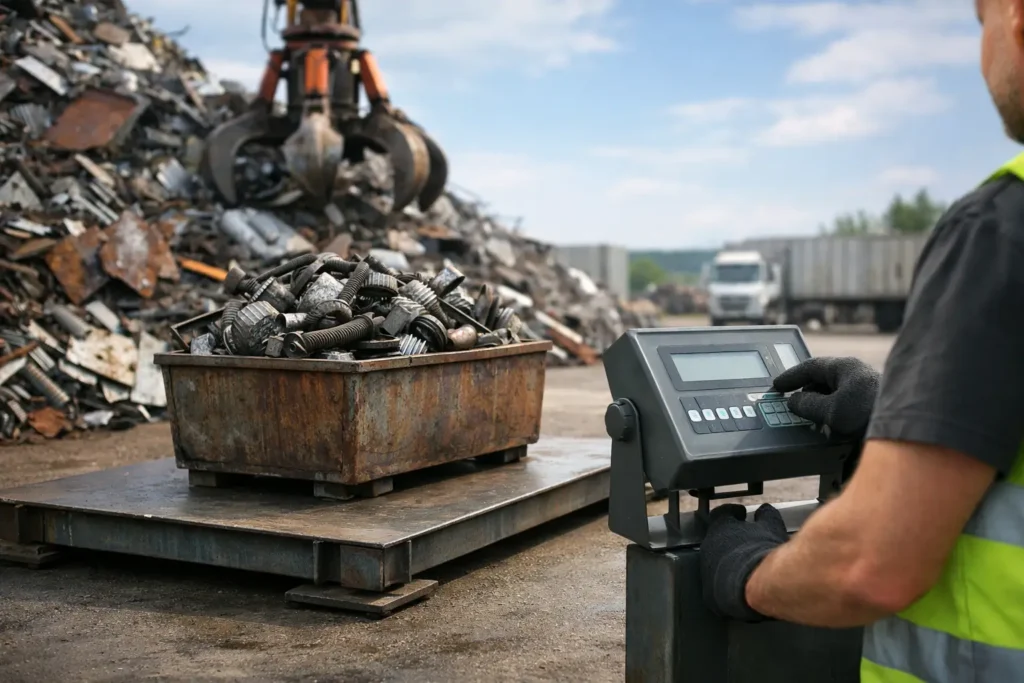
Once the metal has been identified and sorted, it is weighed using calibrated equipment. The final price is then based on the current market rate for that specific grade and the net weight of the material. If the load includes non-metal items, heavy dirt, fluid, plastic, timber or other contaminants, those factors can reduce the payable amount because they change the true recoverable metal content.
Why sorting before weighing makes a real difference
A lot of sellers lose money by bringing everything in as one mixed load. It feels quicker, but mixed scrap is harder to classify and often gets priced more conservatively. If copper, brass, aluminium, stainless and steel are separated before weighing, each material can be assessed on its own value.
That matters because scrap yards do not sell scrap as a mystery bundle. They process it by metal type and grade. The cleaner and more consistent your material is, the easier it is to handle and the more accurately it can be priced. Good sorting usually means better returns.
For trade and industrial sellers, sorting also speeds the whole transaction up. If your offcuts, fittings, cable, tanks, sheet metal and stainless sections are already separated, the assessment is faster and there is less dispute over grades. For regular suppliers, that saves time on every load.
How grading affects the final payout
Weight on its own never tells the whole story. Grading is what turns kilos into a proper rate.
Take copper as an example. Clean bright copper with no paint, solder or insulation sits in a higher-value category than mixed copper or copper with attachments. Brass can vary as well depending on whether it is clean, mixed with other metals or attached to valves and fittings. Stainless steel grades can differ by composition, and that changes what it is worth in the recycling stream.
Steel is another area where sellers sometimes get caught out. Heavy steel, light gauge steel and mixed ferrous scrap are not identical products. If a load includes excess rubbish, non-metal parts or items that need extra processing, that can bring the effective value down even if the total weight looks decent.
The practical point is simple. The better the grade, the better the rate. The cleaner the load, the easier it is to achieve that rate.
What can reduce your payable weight
This is where transparency matters most. Sellers should understand why a load may weigh one amount physically but pay on a lower net metal value.
Common issues include dirt packed into machinery scrap, water inside tanks or radiators, plastic attached to cable, timber fixed to metal frames, and rubber or foam bonded to offcuts. Batteries, car parts and industrial scrap can also include components that are not payable as clean metal. In those cases, the recyclable metal is still there, but extra handling and separation are required before it can move through the recycling chain.
That does not mean sellers are being short-changed. It means the price reflects what the material actually is, not what it appears to be at first glance. A fair yard will explain the deduction clearly and show you how the load has been classified.
On-site collection and weighing for larger loads
For builders, workshops, factories and demolition operators, the scrap metal weighing process can happen on-site as part of a collection service. That is especially useful when the load is too bulky, too heavy or too inconvenient to transport yourself.
The advantage is speed and clarity. Material can be inspected where it sits, sorted by type where possible, and weighed as part of collection. For commercial clients, this cuts downtime and helps keep sites clean, compliant and moving. If you are dealing with repeated volumes, accurate on-site assessment also makes it easier to track scrap revenue across jobs or production cycles.
It does depend on the type of metal and how mixed the load is. A tidy stack of aluminium offcuts is straightforward. A mixed demolition pile with timber, concrete, wiring and steel all tangled together will take more processing and may need a more cautious valuation upfront. That is normal. The key is having the process explained before the material leaves site.
How to prepare your scrap before weighing
If you want the best possible result, a little prep goes a long way. Separate metals by type where you can. Remove obvious rubbish, packaging and non-metal attachments. Drain fluids from suitable items if required and safe to do so. Keep valuable non-ferrous metals apart from lower-value mixed scrap.
You do not need to turn your garage into a processing plant. Even basic separation makes a difference. Putting brass taps in one tub, copper in another and aluminium in a separate pile is enough to improve accuracy and often your payout too.
For tradies and regular sellers, it pays to make this part of the routine. A few extra minutes sorting at the workshop can save arguments at the yard and put more money in your pocket over time.
What fair weighing looks like
A fair process is easy to recognise. Your metal is identified properly, the grades are explained in plain language, the weight is recorded accurately and the payout matches the material presented. There should be no vague pricing, no guesswork and no confusion about why one category pays more than another.
This is where trusted local operators stand out. Melton Scrap Recycling deals with everyone from small household sellers to large-volume commercial suppliers, so the process needs to work for both. That means clear grading, accurate weighing, fast turnaround and payment without mucking around.
It also means being honest about the trade-offs. If you bring in mixed scrap, you may still get paid quickly, but not at the same level as a clean, sorted load. If you want same-day collection for a bulky industrial job, convenience is high, though exact grading may depend on how accessible and separated the material is on-site. Fair dealing is not about promising the highest number no matter what. It is about matching the right rate to the right material.
Why the process matters beyond the payout
The weighing process is not only about dollars on the day. It also affects how efficiently metal moves back into the recycling stream. Clean, well-classified scrap is easier to process, easier to recover and less likely to end up wasted. That supports better recycling outcomes and reduces unnecessary landfill.
For households, that means unwanted metal is turned into cash instead of sitting around the property. For trades and industry, it means scrap stops being a storage problem and starts becoming a recoverable asset. When the process is quick, accurate and transparent, sellers are more likely to recycle properly rather than dump material or let it pile up.
If you are selling scrap, the best approach is straightforward. Know what you have, sort it where practical, ask how it will be graded and make sure the weighing process is explained clearly. Good operators will not make that complicated. They will tell you what the metal is worth, why it is worth that, and get you paid without wasting your time.
That is how scrap should work – clear process, fair weight, proper rates, and no drama.