How to Sell Demolition Metal Waste Fast
Published June 9, 2026 ·
When a strip-out or knockdown job wraps up, the metal left behind can either slow your site down or put money back in your pocket. If you want to sell demolition metal waste, the difference usually comes down to how well it is sorted, how quickly it is moved, and who is buying it.
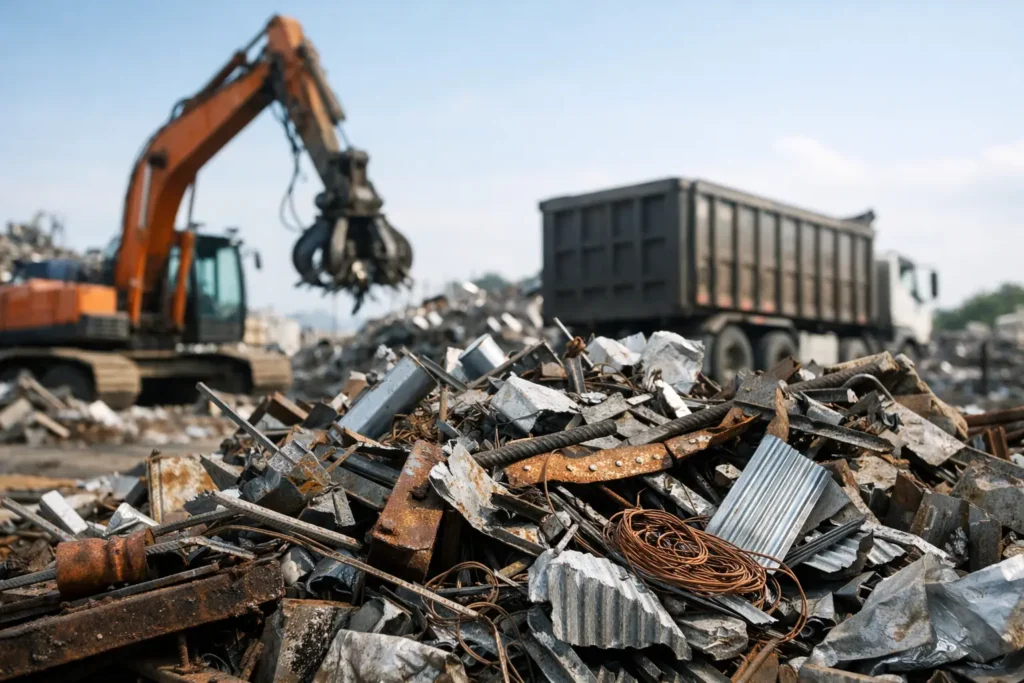
Demolition scrap is rarely neat. It turns up mixed through framing, pipework, cable, sheet metal, stainless fittings, old units, structural steel and offcuts that have been bent, burnt or buried under other waste. That is normal. What matters is getting it out of the rubbish stream and into the right recycling process as early as possible.
Why sell demolition metal waste instead of binning it?
Throwing metal in a mixed waste skip is the expensive option in more ways than one. First, you lose the scrap value. Second, you pay to remove material that could have been separated and sold. On larger commercial or industrial jobs, that waste adds up quickly.
There is also a practical site issue. Piles of loose metal take up room, create handling risks and make it harder for trades to move efficiently. Clearing it fast keeps the job cleaner and easier to manage. For builders, demolition crews, plumbers, sparkies and factory operators, that matters just as much as the payout.
Then there is the environmental side. Steel, copper, brass, aluminium and stainless can all be recovered and returned to use. Selling scrap keeps valuable material out of landfill and supports a proper recycling cycle. For many businesses, that is now part of how they operate, not just a nice extra.
What counts as demolition metal waste?
Most demolition jobs produce a mix of ferrous and non-ferrous metals. Ferrous metals include steel and iron. These are common in structural beams, roofing, frames, supports, ducts, fencing and machinery. Non-ferrous metals usually carry higher value and include copper, brass, aluminium, lead and stainless steel.
On site, demolition metal waste often comes from old plumbing lines, electrical cable, switchboards, air-conditioning units, shelving, rollers, gutters, tanks, racking, window frames, commercial kitchen equipment and removed plant. Automotive and workshop sites may also turn up engines, panels, batteries and mixed mechanical scrap.
The value depends on the metal type, its grade, how clean it is and how contaminated the load may be. Copper with minimal insulation is a different product from mixed cable. Clean aluminium is different from painted or attached material. Stainless grades can vary. That is why proper sorting matters.
How to get the best result when you sell demolition metal waste
The easiest way to lose money on demolition scrap is to lump everything together. Mixed loads can still be sold, but if higher-value metals are buried in a pile of general steel, the return may not reflect what is really there.
Sort metals before collection or drop-off
Separate steel from non-ferrous metals if you can. Then break non-ferrous material into basic groups such as copper, brass, aluminium and stainless. You do not need to make the job perfect, but even a rough sort can improve both speed and price.
If your crew is stripping cable, pipe or fittings during the job, keep those materials aside straight away. It is far easier than trying to recover them later from a mixed pile. On bigger sites, a few dedicated bins or stockpile zones can make a real difference.
Keep contamination down
Scrap buyers want metal, not a load padded with timber, concrete, plastic, insulation, rubber or general rubbish. A bit of attached material is common in demolition work, but cleaner loads are easier to grade and usually return better value.
This is especially true for non-ferrous scrap. Copper pipe full of debris, aluminium joined to other materials, or stainless mixed with dirt and rubble all slow the process down. If it takes extra time to separate, cut back or clean, that affects how the load is assessed.
Be realistic about condition
Demolition scrap does not need to look pretty. Bent beams, old pipe, worn plate and cut-up machinery can all still hold value. What matters is honesty about what is in the load. A straightforward description saves time and avoids disputes when the material is checked.
For trade and commercial sellers, a clear photo and rough estimate of quantity can often help move things along faster. If you have multiple metal types, say so upfront.
Ute pickup or yard drop-off – what works better?
That depends on the size of the load, how urgent the site clean-up is and whether you have the gear to move it.
For smaller demolition jobs, drop-off can be the quickest option if the material is already loaded and ready to go. You get it off site, have it sorted and graded, and get paid without dragging the job out.
For heavier or bulk demolition scrap, ute pickup usually makes more sense. If you have structural steel, plant scrap, mixed industrial loads or a large volume of removed metal, collection saves time and labour. It also reduces double handling. That is important on active sites where access, safety and deadlines are tight.
Same-day collection can be a major advantage when you need the space cleared for the next stage of work. Fast removal is not just convenient. It can keep a project moving.
Pricing – what affects what you get paid?
Anyone serious about selling scrap wants a fair rate, and that starts with understanding what drives value. Market pricing changes, so no honest buyer can promise the same figure every week regardless of conditions. What they can do is quote clearly, grade accurately and explain what they are paying for.
The main factors are straightforward
Metal type is the first one. Non-ferrous metals like copper and brass usually pay more than general steel. Grade comes next. Clean, separated material is worth more than mixed or contaminated scrap. Quantity also matters. Bulk loads can be more efficient to handle than scattered small amounts across multiple collections.
Accessibility plays a part as well. If a load is ready to go, the process is quicker. If scrap is buried, hard to reach or mixed with site waste, removal takes more time. That can influence the overall transaction.
The good operators keep this simple. They inspect the material, sort and classify it properly, and pay based on what is actually there. No fluff, no confusion.
Common mistakes demolition sellers make
The biggest mistake is treating all metal as low-value rubbish. That is how copper, brass and aluminium end up disappearing into mixed skip bins with no return.
Another common issue is waiting too long. Scrap tends to get more contaminated the longer it sits on site. It gets rained on, buried, driven over or mixed with rubbish from other trades. Early separation nearly always pays off.
Some sellers also chase a headline price without looking at the full service. If a buyer is slow to collect, vague about grading or difficult to deal with, the cheap process can cost more than it saves. For demolition and trade work, speed, clarity and immediate payment matter just as much as the rate.
Sell demolition metal waste with less hassle
If you are running a demolition job, the ideal scrap process is simple. You identify the recoverable metal early, keep valuable material separate, arrange fast removal, and get paid without arguments or delays.
That is exactly what most sellers want, whether they are clearing out a home renovation, stripping a commercial site or handling bulk industrial demolition. They do not want a complicated recycling lecture. They want a fair price, a quick turnaround and a buyer who knows the difference between mixed scrap and genuinely valuable metal.
For sellers across Melton and surrounding areas, Melton Scrap Recycling works the way a scrap yard should work – fast ute pickup, straightforward grading, competitive pricing and prompt payment. That suits everyone from homeowners with a trailer load through to contractors with recurring demolition scrap.
When is it worth separating more, and when is it not?
There is a point where extra sorting adds value, and a point where it just burns labour. If your crew can easily separate copper, brass, aluminium and steel during the strip-out, do it. If material is heavily mixed, embedded or too time-consuming to strip back, it may be better to move it as is and keep the project on track.
That is where experience counts. A practical scrap buyer will tell you what is worth separating and what is not. Sometimes a quick clean-up of high-value metals makes sense. Sometimes the smarter commercial decision is rapid collection of the whole lot.
Good demolition work is about keeping things moving. Metal waste should not be the part that holds you up. If there is value sitting on site, get it sorted, get it shifted, and turn the mess into payment while the job is still hot.