Non Ferrous Metal Guide for Scrap Sellers
Published May 30, 2026 ·
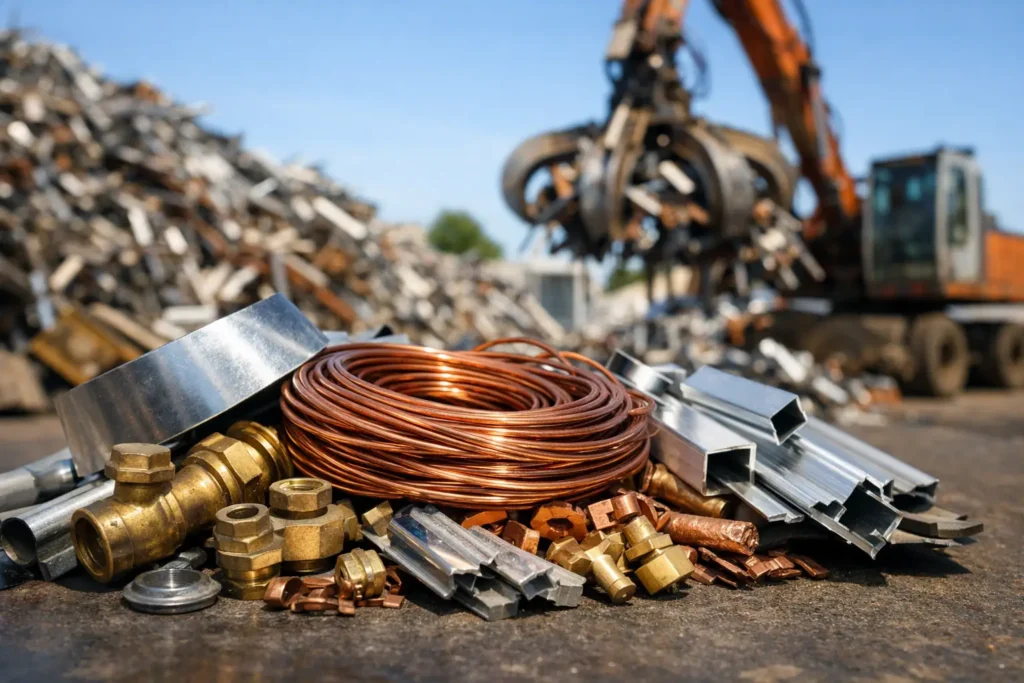
A mixed pile of old wire, taps, rims, cable, sheet offcuts and fittings can be worth more than most sellers expect – if you know what you are looking at. That is where a non ferrous metal guide helps. When you understand which metals are non-ferrous, how yards sort them, and what affects the rate, it is much easier to turn scrap into fast, fair payment instead of guesswork.
Non-ferrous metals are metals that do not contain significant iron. In practical terms, that usually means they will not rust like mild steel and they are generally non-magnetic or only weakly magnetic. The most common examples in scrap are copper, brass, aluminium, lead, zinc, stainless steel and batteries. These materials are widely recycled because they hold value and can be processed back into use without the waste of sending them to landfill.
For homeowners, that might mean cash for old household wiring, window frames, taps or aluminium outdoor furniture. For tradies, it can mean regular returns from cable, pipe, offcuts and fittings that would otherwise pile up in the ute or workshop. For factories, demolition crews and mechanics, it often means serious value across bulk loads, old equipment, radiators, motors, alloy wheels and battery stock.
What counts in a non ferrous metal guide
The first thing sellers want to know is simple – what actually counts as non-ferrous scrap? Copper sits at the top of the list because it is common, easy to identify and usually one of the better-paying materials. You will find it in electrical cable, plumbing pipe, coils, motors and some roofing products. Clean, bright copper usually attracts stronger rates than mixed or contaminated copper because it takes less processing.
Brass is another frequent one, especially from plumbing and building work. Old taps, valves, fittings, shell casings and decorative hardware are often brass. It has that yellow-gold look, but it is heavier and duller than it first appears. If brass is mixed with plastic, rubber or steel attachments, the grade can change and so can the price.
Aluminium turns up everywhere. Window frames, flyscreens, extrusions, gutters, sheet, cast parts, rims, ladders and cookware are all common examples. It is lightweight, which is why volume matters. A small amount of aluminium may not look like much on the scale, but regular loads from building sites, workshops or renovations add up quickly.
Stainless steel causes some confusion because people often assume all steel is ferrous. Stainless contains iron, but in scrap buying it is usually handled separately because of its nickel and chromium content. Sinks, benches, commercial kitchen gear, exhausts and processing equipment are common stainless items. Some grades are worth more than others, so correct identification matters.
Lead and batteries are also non-ferrous categories seen often in recycling yards. Lead can come from roof flashing, old weights and certain industrial uses. Batteries contain recoverable metals too, but they need proper handling because of the acid and hazardous components involved.
How to tell one metal from another
You do not need to be a metallurgist to sort basic scrap properly, but a few checks save time and usually improve your return. Start with a magnet. If the item strongly sticks, it is generally ferrous. If it does not, it may be non-ferrous – although stainless can behave differently depending on the grade.
Next, look at colour and weight. Copper is reddish brown when clean. Brass is yellowish. Aluminium is silver and very light for its size. Lead is dull grey and noticeably heavy. Stainless has a clean silver finish and feels heavier than aluminium. These are not perfect tests, but they are useful for quick sorting at home, on site or in the shed.
Cut surfaces also tell a story. A painted or dirty item can hide its true metal, but a fresh scratch or cut edge often reveals what is underneath. That matters with plated fittings, mixed hardware and old automotive parts. If an item looks valuable but has steel bolts, plastic ends or rubber attached, do not assume it will be bought as clean metal. Attachments affect grading.
Why grading changes the price
This is the part many casual sellers miss. Scrap value is not just about what the metal is. It is also about how clean, sorted and recoverable it is. A pile of stripped copper cable is different from insulated cable. A clean brass fitting is different from one still attached to steel, plastic or ceramic. Cast aluminium is different from extrusion, and a clean alloy wheel is different from a dirty mixed-metal assembly.
The yard has to weigh, sort, grade and process what comes in. The more work required after drop-off, the more that affects the payout. That is why sorting before you arrive can make a real difference. Separate copper from brass, brass from aluminium, and stainless from general scrap. Remove obvious rubbish, timber, plastic and non-metal parts where practical. There is no need to overdo it, but cleaner loads usually move faster and are easier to price accurately.
Market conditions matter as well. Metal prices shift with demand, export conditions, processing costs and commodity movements. That means rates can change week to week and sometimes day to day. Anyone promising one fixed number forever is not being straight. Fair pricing comes from current market rates matched with accurate grading.
The most common mistakes sellers make
The biggest mistake is mixing everything together and hoping for the best. A tub full of copper, brass, steel screws, plastic and general rubbish slows the whole job down. It can also drag better material into a lower grade because it is harder to process.
Another common issue is burning cable to remove insulation. That is not the smart way to improve value. Burnt wire is harder to grade cleanly, creates environmental issues and can reduce what the material is worth. Proper stripping is fine when it is done safely and economically, but it depends on volume. For small amounts, the time may not be worth it. For larger loads, it often is.
People also underestimate non-ferrous scrap sitting around the property or workshop. Old air-conditioning units, radiators, rims, taps, hot water system parts, wire bundles and offcuts all have value. The challenge is that they often sit in separate piles and never make it to the yard.
Non ferrous metal guide for better payouts
If you want the best result, think like a seller, not just a disposer. Group your metals before loading them. Keep copper separate, keep brass separate, and do the same for aluminium, stainless and batteries. If you have bulky items such as motors, radiators, machinery parts or mixed demolition scrap, ask first how they are bought. Some materials are paid on a mixed basis, while others are worth breaking down if the volume justifies the labour.
For tradies and workshops, regular clean-up is usually smarter than waiting for one massive pile. Smaller, sorted loads are easier to handle, easier to quote and easier to pay out quickly. For commercial and industrial sites, on-site weighing, collection and proper grading matter because downtime and transport costs can wipe out value if the process is messy.
That is why sellers across Melton and surrounding areas often want a yard that can move fast, grade properly and pay on the spot. Melton Scrap Recycling handles both small public loads and bulk commercial scrap, which means you do not need to guess whether your material is worth bringing in. If it is non-ferrous and recyclable, there is usually value in it.
When pick-up makes more sense than drop-off
Drop-off works well for manageable loads in a trailer, van or ute. But pick-up is often the better option when you are dealing with site clean-ups, factory scrap, stripped-out equipment, old vehicles, battery stock or heavy non-ferrous material that is awkward to move. The right collection setup saves time, reduces handling and keeps the job safer.
It also helps with consistency. For businesses generating repeat scrap, a reliable pick-up arrangement can turn metal waste into a regular return instead of a storage problem. That is good for the yard, good for the seller and better for the site overall.
Why recycling non-ferrous metals matters
Most sellers care about the payment first, and fair enough. But there is a practical upside beyond the cash. Non-ferrous metals can be recycled again and again with far less waste than dumping them. That means less material going to landfill and more metal going back into manufacturing, construction and industry.
For households, tradies and industrial operators alike, that is a straightforward win. You clear space, get paid and keep usable material in circulation. No fluff, no complicated process – just better use of metal that still has value.
If you are not sure what you have, do not leave it sitting there for another six months. Sort what you can, separate the obvious materials and get it checked properly. The best scrap loads are rarely the neatest ones at the start – they are the ones that actually get moved.