How to Sell Aluminium Extrusions for More
Published July 10, 2026 ·
A pile of aluminium offcuts can look like rubbish until you price it properly. If you want to know how to sell aluminium extrusions and get paid fairly, the difference usually comes down to three things – knowing what you have, preparing it properly, and selling it to a yard that grades honestly.
Aluminium extrusions are common in building, shopfitting, fabrication, signage, transport and home renovation work. Window frames, door sections, partition channels, framing systems and trim all fall into the same general category, but they do not always attract the same rate. Sellers lose money when they mix clean material with contaminated scrap, turn up with no idea of grade, or accept a vague quote without asking what is being included.
How to sell aluminium extrusions without losing value
The fastest way to lose money is to treat all aluminium as one pile. Extrusions are generally valued better when they are clean, sorted and free from attachments. That means no steel screws, no rubber seals, no plastic caps, no timber, and no chunks of other metals jammed into the load.
For homeowners, this often starts with old window or door frames from a renovation. For tradies and commercial sellers, it is usually offcuts, demolition material or redundant stock. In both cases, the same rule applies – the cleaner the aluminium extrusion, the easier it is to grade and the stronger the price is likely to be.
Painted extrusions can still have value, but heavy contamination changes the grade. If the material has silicone, glass, brackets, insulation, or mixed demolition waste attached, expect the payout to reflect the extra handling. A fair yard will tell you that upfront rather than waiting until the last minute.
What counts as aluminium extrusion?
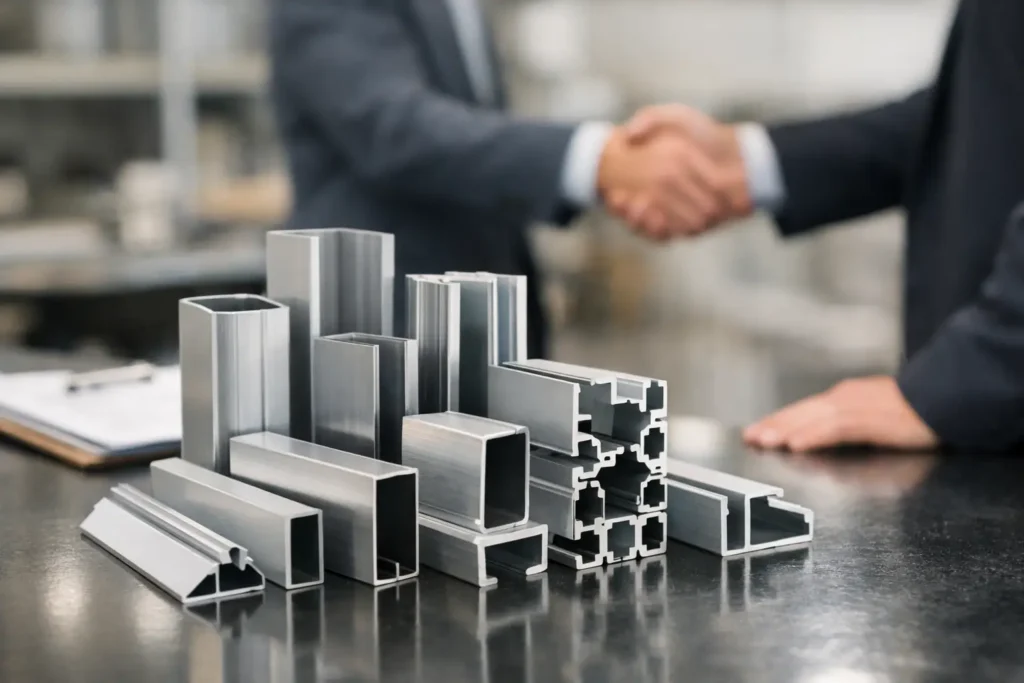
Extrusion is aluminium that has been formed into a consistent profile. You will see it in angles, channels, tubes, frames and custom sections used in construction and manufacturing. It often has a clean, uniform shape rather than the irregular form you get with cast aluminium parts.
Not every aluminium item is extrusion. Engine parts, wheels, cookware and sheet offcuts are different categories. That matters because scrap prices are based on grade, alloy type, cleanliness and resale value through the recycling stream. If you are unsure, ask before loading the ute. A quick check can save time and stop a mixed load being priced lower than it should be.
Sorting is where the money is
If you are serious about getting the best return, sort before you sell. Clean extrusion should be kept separate from mixed aluminium, and both should be kept away from copper, brass, stainless steel and steel. This is basic scrap prep, but plenty of sellers still throw everything together and hope for the best.
For small domestic loads, a little sorting goes a long way. Remove visible screws, hinges, handles and plastic fittings. Stack similar lengths together. If there is glass still fitted to old frames, ask first whether the yard wants it removed before drop-off or pickup.
For larger trade and industrial loads, sorting becomes even more important. A bin of clean production offcuts is not the same as a mixed demolition load. One is easy to process and easy to value. The other takes labour, creates waste and carries more uncertainty. Better preparation usually leads to a better quote because the yard knows exactly what it is buying.
Clean vs mixed aluminium extrusions
Clean aluminium extrusions are usually free from non-metal attachments and major contamination. They are easier to recycle and generally more valuable. Mixed extrusions may include painted sections, light contamination, small fittings or pieces from demolition work.
That does not mean mixed material is not worth selling. It just means expectations need to be realistic. If you want top-dollar rates, separate your best material from the rest. If speed matters more than perfect prep, you can still sell a mixed load, but the rate may be lower.
What affects the price when you sell aluminium extrusions
Scrap pricing moves with market conditions, but market price is only part of the story. The final figure usually depends on quantity, cleanliness, alloy consistency and how much sorting the yard needs to do.
Volume helps. A few kilos of old frame sections from a one-off clean-up will not be treated the same as recurring commercial loads from a fabrication shop. Regular sellers with consistent, well-prepared material are easier to quote and easier to process.
Condition matters just as much. Wet scrap, dirty scrap and mixed scrap all take extra work. So do loads with lots of hidden steel or rubbish. If you want a strong rate, present the material in a way that makes grading straightforward. Honest sellers tend to get honest dealing in return.
Location and logistics also affect the process. If you have a small amount, dropping it off may make the most sense. If you have bulk material, long lengths, or site clearance scrap that is difficult to move, pickup can be the smarter option. The right buyer will tell you quickly whether collection is practical and what that means for the quote.
How to prepare aluminium extrusions before selling
You do not need to spend half a day polishing scrap. You do need to remove the obvious items that drag the grade down. Start with steel brackets, screws and bolts. Then strip off rubber, plastic, timber and loose sealant where practical. Cut oversized sections if needed so the load is safer and easier to handle.
If the material comes from windows or doors, separate the glass if it is safe to do so. If not, ask for guidance before transporting it. Safety comes first, and there is no point turning a scrap run into a broken-glass problem.
Keep your clean extrusion apart from general metal clean-up material. One tub or stack for clean sections, another for mixed aluminium, and another for other metals is usually enough. This gives you a clearer quote and reduces the chance of good material being averaged down.
Photos help with quoting
If you want a faster answer, send clear photos and be specific. Say whether the aluminium is clean or mixed, roughly how much there is, where it came from, and whether you need pickup or can drop it off. A vague message saying “got some ally” rarely gets the best result.
Good photos help the buyer judge profile type, contamination level and load size. That means less back-and-forth and fewer surprises when the material arrives.
Choosing where to sell aluminium extrusions
Not every scrap yard handles sellers the same way. Some are quick and transparent. Others make the process harder than it needs to be. If you are comparing buyers, look for clear communication, straightforward grading and fast payment. If they cannot explain how they are pricing the load, that is a warning sign.
For tradies, workshops and commercial operators, reliability matters as much as rate. If a yard says it can collect, sort and pay quickly, that should happen without chasing. Delays cost time on site and tie up space in the shed or factory.
For casual sellers, trust is usually the biggest issue. You want to know your aluminium is being assessed properly and that you are not being talked down because you are unfamiliar with the grades. A good local operator keeps it simple, tells you what you have, and pays on the spot once the material is checked.
This is where a no-fuss service makes a real difference. Businesses like Melton Scrap Recycling work best when the process is clear – send through details, get a fair quote, bring the metal in or book collection, and get paid without drama.
Common mistakes sellers make
The most common mistake is mixing valuable extrusion with low-grade scrap. The second is leaving steel and plastic attached and then wondering why the payout feels light. The third is chasing a headline rate without checking what grade that rate actually applies to.
Another mistake is sitting on scrap for months waiting for the perfect price. If aluminium extrusions are taking up room in the garage, workshop or yard, there is a cost to that as well. Sometimes the best move is to sell now, free up space and turn waste into cash while the material is ready to go.
There is also the issue of underestimating quantity. A load that looks small can still be worth collecting, especially if it is clean. On the other hand, a large pile of mixed frame material may not bring the return you expect unless you spend a bit of time separating it first. It depends on whether your priority is maximum value or minimum hassle.
When pickup makes more sense than drop-off
If you have bulky lengths, repeated commercial scrap, or demolition material spread across a site, pickup is often the better option. It saves time, reduces handling and keeps jobs moving. For businesses, that can matter more than squeezing out the last few dollars per kilo.
Drop-off suits smaller, cleaner loads where transport is easy. Pickup suits volume, awkward material and busy sellers who do not want metal sitting around. The right option is the one that gets the scrap moved efficiently without chewing up your day.
If you are sorting through aluminium extrusions right now, do not overcomplicate it. Separate the clean material, strip off the obvious attachments, get a clear quote, and sell to a yard that tells you straight. Good scrap should not sit around collecting dust when it can put cash back in your pocket.