Aluminium Scrap Pickup That Gets You Paid Fast
Published June 17, 2026 ·
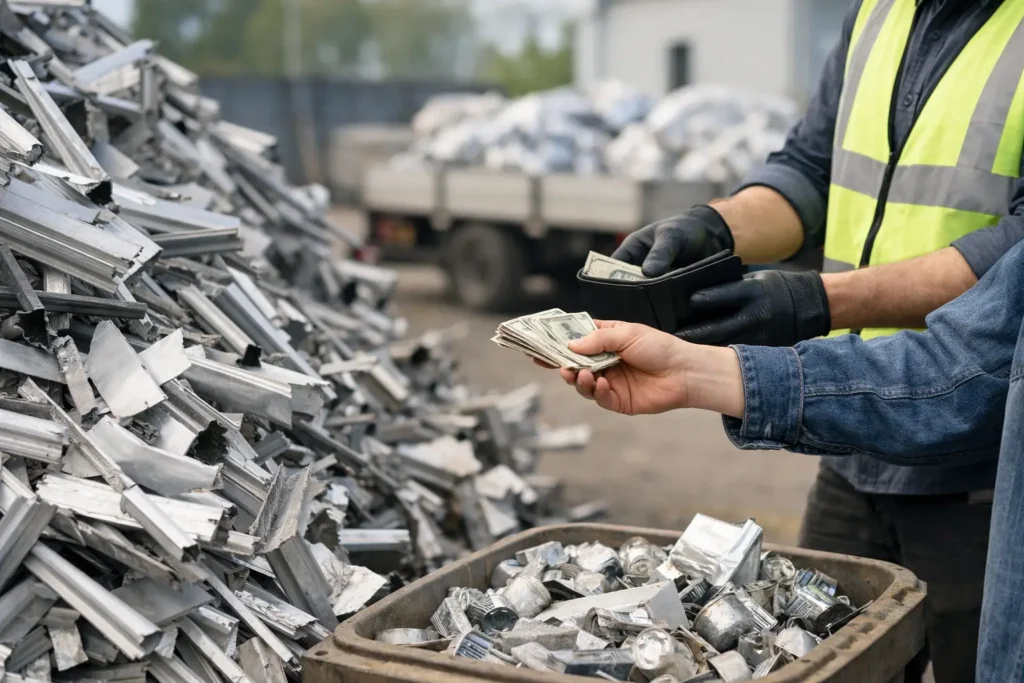
A pile of aluminium offcuts, old window frames or factory scrap can sit around for months doing nothing. With the right aluminium scrap pickup service, that metal turns into cash fast, clears space and saves you the hassle of loading, sorting and chasing quotes from multiple yards.
If you are a homeowner cleaning up after a renovation, a tradie with regular offcuts, or a business moving bulk metal, the job is usually the same. You want a fair price, a quick turnaround and a clear process. No mucking around, no vague estimates and no delays when it is time to get paid.
Why aluminium scrap pickup makes sense
Aluminium is one of the more common non-ferrous metals people hold onto without realising its value. It shows up in old doors, screen frames, gutters, extrusions, fencing, shop fittings, sheet, cast parts and all sorts of workshop leftovers. The problem is not whether it can be recycled. The problem is finding the time to deal with it properly.
That is where aluminium scrap pickup earns its keep. Instead of spending half a day loading a trailer, driving across town and waiting around, you can have the scrap collected from your site. For busy trades, workshops and industrial operators, that time saving matters as much as the payout.
Pickup also reduces the mess and risk that comes with scrap stockpiling. Aluminium is lightweight, but bulk loads still take up room, create trip hazards and clutter work areas. A fast collection keeps the site cleaner and more workable.
What aluminium scrap can be collected
Most sellers are surprised by how many aluminium items qualify as scrap. It is not just drink cans and domestic odds and ends. A proper scrap service can collect a wide range of aluminium from residential, trade and commercial jobs.
Common examples include window and door frames, extrusion offcuts, cladding, fencing, sheet aluminium, old ladders, patio structures, gutters, downpipes, cast aluminium parts, automotive components and general workshop scrap. Builders, sparkies, plumbers, mechanics and demolition crews often build up these loads without noticing how quickly the value adds up.
Condition matters, but it does not need to be perfect. Dirty, painted or mixed aluminium may still be accepted, though the grade and final price can vary. Clean, sorted material generally attracts better rates than mixed loads with contamination attached. That is one of the main trade-offs sellers should understand from the start.
What affects the price of aluminium scrap
There is no single flat rate for aluminium, and anyone promising one without seeing the material is usually leaving themselves room to move later. The value depends on the type of aluminium, the volume, how clean it is and what else is mixed through the load.
Extrusions, cast aluminium and sheet can all be priced differently. So can clean aluminium versus material with steel fixings, plastic, rubber or heavy dirt attached. A tidy stack of sorted offcuts is easier to process than a mixed pile dragged out of a demolition site, and pricing usually reflects that.
Volume also changes the conversation. A few household items might be straightforward, while recurring trade loads or larger commercial collections need a more tailored quote. For regular suppliers, consistency matters. They want accurate grading, honest rates and pickup times that do not interrupt the workday.
Live market conditions play a role as well. Scrap prices move, so the best approach is simple – get a clear quote based on the material you actually have, not guesswork.
Aluminium scrap pickup for homes, trades and industry
The right service looks slightly different depending on who is selling.
For homeowners, convenience is usually the main driver. If you have old aluminium from a reno, garage cleanout or property tidy-up, pickup saves multiple trips and gets the material off the property quickly. You do not need to become a metal expert first. You just need a straightforward assessment and a fair offer.
For tradies, speed matters more. Aluminium offcuts from fabrication, plumbing, electrical work or fit-outs can build up fast. The longer they sit in the yard or workshop, the more they get in the way. A reliable collection service helps keep jobs moving and turns scrap into regular return rather than dead stock.
For factories, workshops and demolition operators, logistics are the bigger issue. Bulk aluminium loads need coordinated pickup, efficient handling and proper sorting on collection. Delays cost space, labour and money. That is why commercial sellers usually look for a scrap partner that can act quickly and price accurately at scale.
How the pickup process should work
A good pickup service should be easy from the first call. You explain what aluminium you have, where it is located and roughly how much needs collecting. Photos can help with quicker quoting, especially for mixed or bulk material.
From there, the collector should give you a realistic idea of pricing and timing. If the load is suitable for same-day collection, that should be made clear. If it needs a larger vehicle or special handling because of access or volume, you should know that upfront too.
On arrival, the material is assessed, sorted and graded properly. That matters because transparent grading is what separates a fair transaction from a frustrating one. Once the load is processed, payment should be prompt and straightforward.
That is the standard people expect now, and rightly so. If you are left waiting days for collection or second-guessing the price after pickup, the service has missed the point.
Why local pickup usually works better
When you need scrap removed quickly, local knowledge counts. A local operator knows the area, understands access issues across residential, trade and industrial sites, and can respond faster when the job is urgent.
That speed matters for more than convenience. On a building site or in a busy workshop, scrap left sitting around can slow down operations. Same-day or fast turnaround pickup helps keep the site safer, cleaner and easier to manage.
It also makes communication simpler. You are dealing with people who know the region and can give direct answers about timing, material types and payment. For sellers across Melton and surrounding areas, that practical advantage is hard to beat.
Getting the best result from your aluminium scrap pickup
You do not need to overthink it, but a few simple steps can improve the outcome. If possible, separate aluminium from steel, copper, plastic and general rubbish before collection. Remove obvious non-metal attachments where it is easy to do so. Keep similar materials together if you have different types of aluminium.
This is not just about helping the collector. It helps protect the value of your load. Mixed scrap often means more handling and more contamination, which can affect the final rate.
If you are dealing with a larger load, estimate volume honestly and mention site access early. Narrow driveways, back-lot storage, upper-level removal or restricted work hours can all affect the collection plan. The more accurate the information, the faster the job gets done.
Fast service matters, but so does trust
Plenty of sellers are focused on speed, and fair enough. If the metal is ready to go, you want it gone. But the fastest service is not always the best service if the pricing is unclear or the grading is inconsistent.
Trust comes from a few basics done properly. Clear quoting. Straight answers. Proper sorting. Prompt payment. No inflated promises just to win the job. For experienced sellers, these points are non-negotiable. For first-time sellers, they are what make the whole process feel simple rather than risky.
Melton Scrap Recycling built its service around that reality – quick pickup, honest assessment and competitive rates without the runaround. That approach works just as well for a small household load as it does for regular commercial scrap.
The recycling side still matters
Most sellers lead with the payout, and that makes sense. But there is another practical benefit to aluminium recycling. Aluminium can be processed and reused again and again, which reduces waste and keeps valuable material out of landfill.
For households, that means a cleaner way to deal with unwanted metal after a clean-up or renovation. For trades and industry, it supports a more responsible way to manage recurring waste streams. You get paid for the metal and the material stays in circulation instead of being dumped.
That is not just good for the environment. It is good business. Efficient recycling turns waste into value and helps keep worksites, workshops and properties under control.
If you have aluminium sitting around, the smartest move is usually the simplest one – get it assessed, get it collected and get paid without dragging the job out.