Non Ferrous Scrap Checklist for Better Prices
Published July 15, 2026 ·
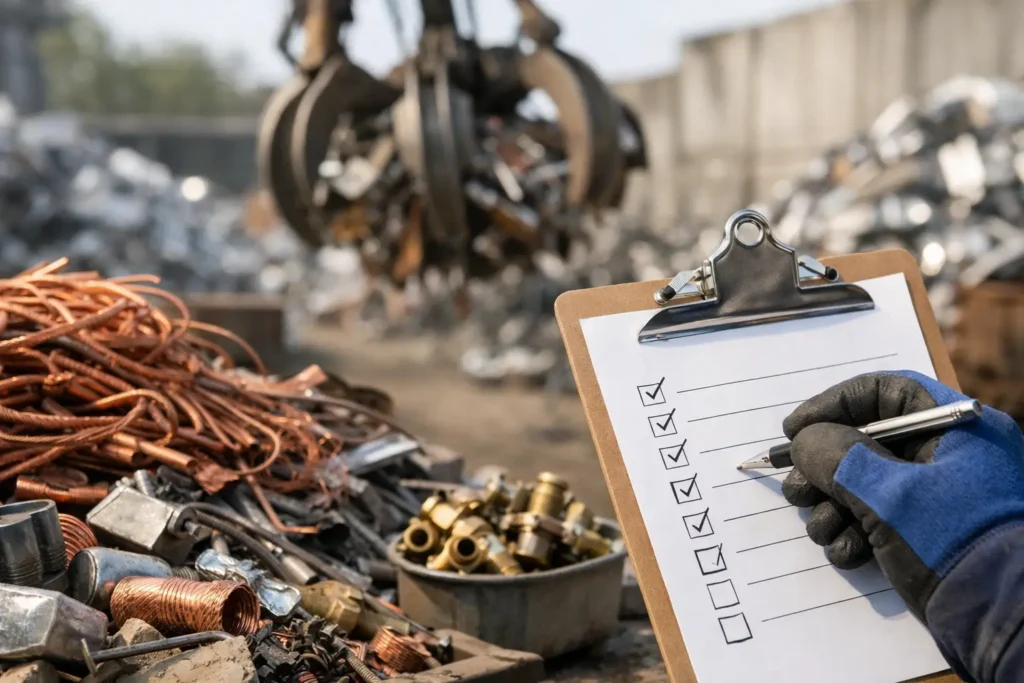
A mixed pile of metal can be worth far less than the same material sorted properly. This non ferrous scrap checklist helps homeowners, tradies, mechanics and commercial operators separate valuable metals before they reach the yard, so grading is quicker and your load is easier to price fairly.
Non-ferrous metals do not contain iron, so they are generally non-magnetic and often attract stronger scrap values than common steel. Copper cable, brass fittings, aluminium offcuts and stainless steel are everyday examples. The key is knowing what you have, keeping grades apart and removing materials that reduce the value of the load.
Your non ferrous scrap checklist before selling
Start by separating metal from general rubbish. A clean, organised load makes a real difference, especially where you have cable, fittings, demolition scrap or workshop offcuts. Do not assume all bright metal is aluminium or all yellow metal is brass. Different grades can look similar, but their values and accepted conditions can vary.
Work through the following checks before loading the ute, trailer or skip.
1. Test for magnetism
Use a basic magnet to make the first split. If the metal sticks, it is usually ferrous and should be kept separate from your non-ferrous material. If it does not stick, it may be copper, brass, aluminium, lead, stainless steel or another non-ferrous grade.
This is only a starting point. Some stainless steel grades are magnetic, while some mixed components contain both ferrous and non-ferrous materials. When in doubt, keep questionable items in their own container rather than mixing them into clean copper or aluminium.
2. Separate metals by type
Keep each metal category apart. Copper should not be mixed with brass, and aluminium should not be thrown in with stainless steel. A sorted load gives the recycler a clearer view of what is there and reduces the chance that high-value material is assessed as mixed scrap.
Common categories worth separating include copper, insulated copper cable, brass, aluminium, stainless steel, lead, batteries and electric motors. If you run a workshop or work on demolition sites, label tubs or bins as you go. This small habit saves time at the end of the job and keeps recoverable metal out of the rubbish bin.
3. Grade copper and cable carefully
Copper is often where preparation pays off most. Clean, uncoated copper pipe and wire can be a higher grade than copper with solder, paint, insulation, plastic fittings or steel attachments. Strip out obvious non-metal parts where practical, but do not waste hours chasing tiny pieces of contamination if the labour is not worth the return.
Keep bare bright copper separate from mixed copper, copper pipe and insulated cable. With cable, the amount of copper inside the insulation matters. Heavy power cable, light communication cable and mixed wiring are not the same product, so putting them all together can make accurate grading harder.
4. Check brass fittings for attachments
Brass commonly comes from taps, valves, plumbing fittings, door hardware, radiators and workshop components. Before selling, remove obvious plastic handles, rubber washers and steel screws where it is quick and safe to do so.
A brass fitting with a few minor attachments may still be accepted, but a container full of mixed fittings, steel and plastic will not receive the same assessment as clean brass. The same rule applies to mixed plumbing scrap: separate brass valves from copper pipe and aluminium fittings rather than treating it as one load.
5. Keep aluminium grades clean
Aluminium is light, common and easy to contaminate. Window frames, gutters, sheets, ladders, wheels, drink cans and cast components can all be aluminium, but they may be different grades. Painted or dirty aluminium is not necessarily worthless, though clean, separated material is easier to identify and process.
Remove timber, glass, rubber, plastic and heavy steel fittings when practical. For window frames, take out large sections of glass safely before transport. Never smash glass on site simply to reduce a load. Safety comes first, and a clean-up job can quickly outweigh any gain.
6. Put stainless steel aside
Stainless steel is regularly confused with ordinary steel or aluminium. It is heavier than aluminium, usually has a dull silver finish and can come from commercial kitchens, exhaust systems, tanks, benches, fittings and industrial equipment.
Keep it away from mild steel and avoid mixing it with aluminium. If an item has valves, motors, wiring or other metals attached, set it aside for separate inspection. Larger industrial pieces may be worth arranging for collection rather than cutting them down unnecessarily.
Remove what lowers the value of a load
Clean scrap does not mean every item must look new. It means the metal is reasonably free of materials that do not belong in that grade. Before you sell, look for these common value reducers:
- Plastic, timber, rubber and fabric attached to metal
- Soil, concrete, insulation or excessive oil and grease
- Steel bolts, brackets and fasteners mixed into non-ferrous grades
- Household rubbish, food waste or loose packaging
- Gas bottles, sealed containers or hazardous materials
Do not burn cable to remove insulation. It creates harmful fumes, leaves contaminated metal and can cause serious safety and environmental problems. Keep cable intact and sorted by type instead. A professional recycler can grade it properly.
For engines, motors, appliances and machinery, do not assume the whole item should go in a non-ferrous pile. These are often mixed-metal items containing steel, copper windings, aluminium castings and wiring. If you have volume, ask for an assessment before dismantling. It depends on the item, the quantity and how much time is involved.
Prepare the load for a fast yard visit or collection
Use separate buckets, tubs, crates or bags for smaller material. For larger loads, group each type in clearly defined sections of the trailer. Keep copper and brass protected from loose dirt, and secure sharp offcuts, cable ends and sheet metal so nothing shifts during transport.
If you have a bulk commercial load, take clear photos before arranging collection. Photos help identify likely metal types, estimate access requirements and decide whether on-site sorting will be needed. Be upfront about mixed loads, difficult access, heavy machinery or materials that need to be moved from behind a workshop or factory.
Bring photo identification if required for your transaction, and make sure you have authority to sell the material. For business and industrial scrap, retain any job records or paperwork that identifies the source of the load. Clear records support a straightforward sale and protect everyone involved.
Know when sorting is worth your time
Sorting always helps, but there is a practical limit. If you have a few kilograms of mixed household metal, separate the obvious copper, brass and aluminium, then let the yard assess the rest. Spending half a day dismantling low-value items is rarely the best use of your time.
For electricians, plumbers, mechanics, builders and factories, sorting as part of the daily workflow is usually worthwhile. Dedicated bins for cable, copper pipe, brass and aluminium offcuts prevent valuable material from being buried in general scrap. Over weeks or months, that discipline can turn a messy waste stream into a cleaner, more valuable load.
Melton Scrap Recycling can assess sorted and mixed non-ferrous scrap, with practical advice on grading, fast service and payment after your material is processed. If you are unsure whether an item is copper, brass, aluminium or stainless steel, keep it separate and ask before it gets mixed into the wrong pile.
The best next step is simple: start a separate container for each metal type on your next job. By the time the container is full, you will have a cleaner load, less rubbish to handle and a far better chance of receiving the value your scrap deserves.