Sell Copper Offcuts Melbourne for Best Value
Published July 2, 2026 ·
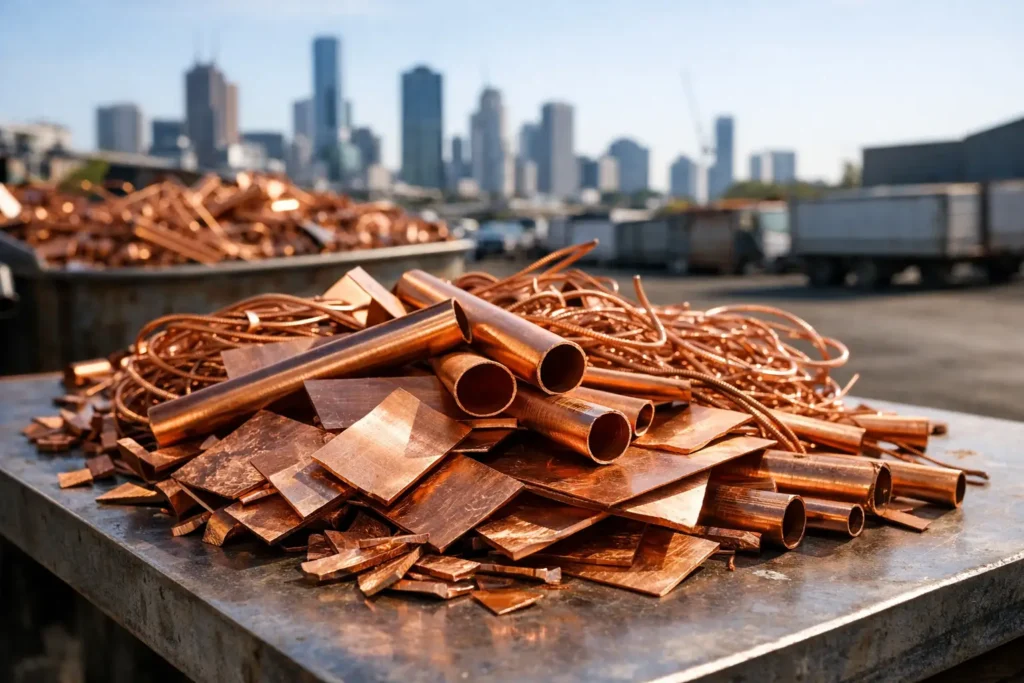
Copper offcuts pile up faster than most jobs finish. A few lengths of pipe here, stripped cable there, old fittings in a bucket – and before long you have money sitting in the shed, workshop or back of the ute. If you want to sell copper offcuts Melbourne sellers need more than a scrap yard that simply takes metal. You need clear pricing, quick turnaround and a process that does not waste half your day.
That is where a lot of sellers get caught. They know copper has value, but they are not always sure what type they have, how it will be graded or whether it is worth separating before they bring it in. For homeowners, it can feel unfamiliar. For sparkies, plumbers, mechanics and demolition crews, it comes down to one thing – getting a fair return without slowing down the next job.
Why copper offcuts are worth selling
Copper is one of the most consistently valuable non-ferrous metals in the scrap market. Even small volumes can add up, especially if you collect offcuts over time instead of throwing them in the rubbish. Pipe, wire, busbar, roofing offcuts, copper sheet and old components all have resale value when they are sorted properly and presented cleanly.
The reason is simple. Copper is highly reusable, and recycled copper remains in demand across manufacturing, construction and industrial supply chains. That makes it a practical material to recover rather than discard. For sellers, the benefit is immediate cash. For the wider market, it means less usable metal going to landfill.
Still, not every copper load is priced the same. Purity matters. Contamination matters. Volume matters. If you expect top dollar for mixed scrap with solder, plastic, steel attachments and dirt all through it, you will be disappointed. The best results usually come from understanding what you are selling before it is graded.
Sell copper offcuts Melbourne – what affects the price?
If you are trying to get the best return, copper is not just copper. Different grades attract different prices, and the gap can be noticeable.
Bright, clean copper usually sits at the top end because it is easier to process and has fewer contaminants. Stripped copper wire without insulation, clean pipe free from joins and unalloyed copper offcuts are generally stronger performers than mixed loads. Lower grades often include painted copper, oxidised material, heavily soldered sections, insulated cable or copper attached to other metals.
Quantity also plays a part. A small tub of household offcuts will still have value, but commercial volumes from plumbing, electrical or demolition work can often justify pickup and a faster turnaround. Market conditions shift as well. Copper pricing moves with broader demand, so rates are never fixed forever. That is why a current quote matters more than last month’s number or what someone said on a job site.
If you want a stronger payout, separate your copper where you can. Keep clean pipe apart from mixed fittings. Put stripped cable in its own container. Remove obvious rubbish, screws, brackets and non-metal materials. It is not about making the load perfect. It is about giving your copper the best chance of being graded accurately.
Common copper offcuts people bring in
A lot of sellers underestimate what counts as scrap copper. It is not limited to neat, polished lengths of pipe. Renovation jobs, strip-outs, workshop cleanups and factory clearances all produce copper in different forms.
Plumbers often bring pipe offcuts, old hot water service connections, valves and fittings. Electricians usually have cable offcuts, stripped wire and copper from switchboard work. Mechanics and automotive sellers may have radiators, wiring looms and copper-bearing components. Homeowners turn up with old household wiring, renovation leftovers and mixed non-ferrous scrap from sheds and garages.
The key point is this – if it is copper-based material from a genuine cleanout or worksite, it is likely worth checking rather than tossing aside. Many loads that look too small to bother with become worthwhile once they are combined and sorted.
How to prepare copper offcuts before you sell
Preparation does not need to become a separate project. You are not trying to make scrap look new. You are trying to avoid unnecessary downgrades.
Start by sorting copper away from brass, aluminium, stainless and steel. Mixed metal tubs slow the process and can reduce clarity around what you are actually selling. If insulation can be removed easily from cable, that may improve value, but there is a point where labour outweighs the gain. For tradespeople, time on the tools is usually worth more than hours spent stripping low-volume cable by hand.
If your copper has attached fittings or contamination, remove what is simple and leave what is not. Clean pipe with minor wear is one thing. Pipe loaded with solder, rubber, tapware and brackets is another. The more straightforward the load, the easier it is to classify fairly.
It also helps to bag or stack material in a way that is easy to inspect and handle. Loose scrap thrown in with timber, packaging and rubble creates delays. Clean, accessible scrap keeps things moving and gets you in and out faster.
Choosing where to sell copper offcuts in Melbourne
Not every scrap buyer runs the same way. If you are comparing options, speed and transparency matter just as much as the headline rate.
A good buyer will tell you how the material is assessed, explain the difference between grades and pay promptly once the load is processed. That matters whether you are a homeowner with a one-off drop-off or a commercial operator with recurring scrap volumes. If the process is vague, the quote shifts without explanation or you are left chasing payment, the deal is not as good as it first looked.
For Melbourne sellers, location and service range also matter. Some people can load a small amount into the ute and drive it in. Others need pickup because the load is bulky, the job site is active or there is simply no time to leave site. Same-day collection can make a real difference when copper offcuts are taking up space in a factory, workshop or construction area.
This is where a local operator with straightforward service has an edge. Melton Scrap Recycling works with everyday sellers, tradies and commercial clients who want fair pricing, quick collection and immediate payment without the runaround.
When pickup makes more sense than drop-off
Drop-off works well for smaller loads and planned cleanouts. If you have a few tubs of copper pipe or a manageable amount of cable, bringing it in yourself can be the quickest option.
Pickup is often the better call when the volume is larger, access is awkward or your team should be doing billable work instead of handling scrap logistics. Builders, demolition contractors, factories and workshops usually benefit most from this. The scrap gets removed, the site stays cleaner and payment is handled without dragging out the job.
There is also a safety and efficiency angle. Leaving metal piles around busy sites creates clutter and can get in the way. Fast removal keeps operations moving and reduces the chance that valuable scrap sits forgotten until it is damaged, mixed with rubbish or lost altogether.
What trades and businesses should know
If you generate copper offcuts regularly, scrap should not be treated as an afterthought. It is part of your recovery process and part of your margin.
For electrical and plumbing businesses, routine sorting on site can make a noticeable difference over time. Separate copper from day one, keep it dry where possible and train staff not to throw valuable metals into mixed waste bins. For workshops and industrial sites, a consistent scrap system avoids stockpiles and makes collections easier to schedule.
There is a balance, though. Chasing every last gram is not always worth it if it slows down productive work. The smarter approach is practical separation, regular disposal and dealing with a buyer that can handle both small recurring loads and larger bulk collections without fuss.
A fair deal comes down to clarity
Most people selling scrap are not looking for a lecture. They want to know what they have, what it is worth and how fast they can get paid. That is reasonable.
The best way to approach copper offcuts is to be realistic about condition, separate what you can and deal with a yard that is direct about pricing and grading. Clean copper generally earns more. Mixed material takes more processing. Big loads may need pickup. Small loads still have value. It depends on what is in front of you, not on a generic estimate.
If you have copper offcuts sitting around your home, job site or workshop, do not let them turn into dead weight. Sorted properly and sold through a buyer that values speed and fairness, that scrap can become a quick return instead of another pile to work around.