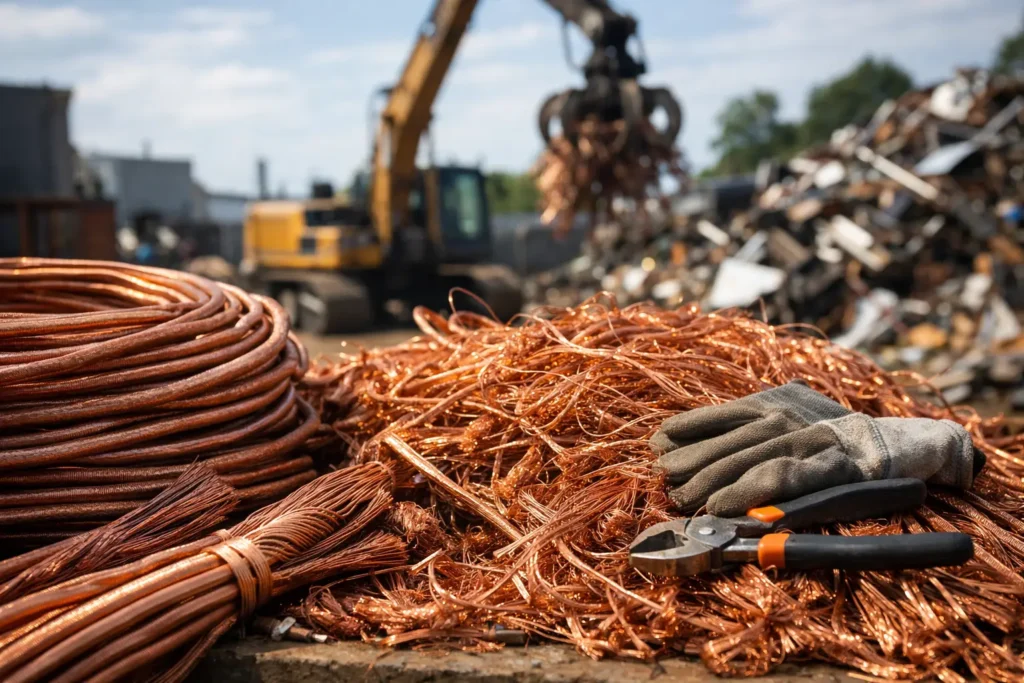
Is Copper Wire Worth Scrapping in Victoria?
Published August 11, 2026 ·
A coil of old cable in the shed can look like clutter, but copper is one of the most valuable common scrap metals. So, is copper wire worth scrapping? In most cases, yes – particularly if you have a decent quantity of clean, separated wire. The difference between a worthwhile payout and a disappointing one usually comes down to the type of wire, its condition and how well you prepare it before selling.
For homeowners, a few offcuts from a renovation may be worth adding to a growing scrap pile. For sparkies, plumbers, builders, workshops and demolition crews, copper cable can quickly become a reliable source of extra cash rather than an expensive rubbish problem.
Is Copper Wire Worth Scrapping for Cash?
Copper carries strong value because it is widely used, highly recyclable and can be processed again without losing its useful properties. Demand comes from electrical work, construction, manufacturing, vehicles, appliances and infrastructure. That does not mean every piece of cable earns the same rate. It means copper wire is generally too valuable to throw in the bin.
Whether it is worth the trip depends on volume and grade. A short length of light household cable will not change your week. A bucket of stripped electrical wire, a stack of heavy cable from a commercial job or regular offcuts from trade work is another story. Once you have enough material to sort properly, the value adds up.
Copper prices move with local and global markets, so there is no single fixed figure that applies every day. The sensible approach is to separate your material, understand what you have and ask for a current quote before loading the ute.
What Makes One Copper Wire Load Worth More?
The copper content is the main factor. Bare, clean copper has no insulation to remove and is easier to process, so it is usually the higher-value category. This includes clean electrical wire, copper offcuts and stripped cable with no plastic, plugs, tape, solder-heavy joins or other metals attached.
Insulated copper wire still has value, but the price reflects the amount of copper inside the outer coating. Thick cable with a high copper content is generally more valuable than thin, light cable with lots of plastic. Heavy-duty power cable, industrial cable and larger electrical runs often contain more recoverable copper than low-grade communication wire.
Contamination also matters. A load mixed with steel fittings, aluminium, brass ends, dirt, rubber or general rubbish takes longer to grade and sort. Keeping different metals apart makes the process faster and gives your copper the best chance of being assessed accurately.
Quantity matters too. If you have only a handful of small wires, hold onto them until you have more scrap or combine the visit with other metals such as brass, aluminium, stainless steel, batteries or an old vehicle part. Do not mix those materials together, though. Separate piles make for a cleaner, more transparent transaction.
Bare Bright and Clean Copper
Clean, stripped copper is the standard most sellers are aiming for. It should be bright or reasonably clean copper with insulation removed and no major contamination. It does not need to look brand new, but it should be recognisably copper rather than a tangled mix of cable, tape and fittings.
For regular trade sellers producing substantial offcuts, stripping can be worth the effort. For a household seller with a small bundle of light cable, it may not be. Your time has value as well. If stripping takes hours and produces only a small amount of copper, selling the insulated cable as it is can be the more practical option.
Insulated Cable and Mixed Wire
Insulated cable is not rubbish. It is a recognised scrap material, but it needs to be graded according to its copper recovery. Thick orange, black or grey cable from electrical and industrial applications may be worth more than thin data cable, extension leads or low-copper household wiring.
Avoid guessing based on the colour of the insulation. Two cables that look similar can contain very different amounts of copper. A professional scrap yard will inspect the material, identify the grade and explain how it has been classified.
Should You Strip Copper Wire Before Selling It?
Stripping is a numbers game. It can increase the value per kilogram because you are presenting clean copper rather than copper wrapped in plastic. But it also takes labour, and it can be slow or unsafe if you use the wrong tools.
It is usually worth considering when you have heavier-gauge wire, a regular supply of cable or time set aside to do the job safely. Electricians and contractors who collect cable over several jobs may find that sorting and stripping selected grades delivers a better return.
It is less likely to be worthwhile for fine wire, tangled cords, appliance leads and small domestic quantities. Those can take a long time to strip for little gain. In that case, keep the insulated wire separate and let the recycler grade it correctly.
Never burn insulation off cable. Burning creates toxic smoke, damages the copper and leaves contaminated material behind. It is unsafe, illegal and a poor way to improve a scrap return. Mechanical stripping with suitable equipment is the proper option if you choose to remove insulation.
How to Prepare Copper Wire for the Best Return
You do not need to turn your garage into a processing depot. A few simple steps will make a real difference.
First, keep copper separate from other metals and general rubbish. Put bare copper in one container, insulated cable in another, and keep brass fittings, aluminium and steel aside. Remove obvious non-metal items where practical, such as plastic plugs, large steel brackets or bulky electrical housings.
Second, separate thicker cable from thin household leads if you can. Heavy cable, light cable and clean stripped wire are not the same material. Giving the yard a clear load makes grading quicker and reduces the risk that higher-value material is buried in a lower-grade pile.
Third, keep it dry and reasonably clean. Mud, excessive moisture and tangled rubbish add no value. You do not need to polish copper, but a straightforward, sorted load is easier to assess fairly.
Finally, make sure the material is yours to sell. If you are clearing cable from a worksite, rental property, factory or demolition job, have the right authority. Reputable recyclers take this seriously because legitimate trade protects everyone involved.
When Copper Scrap Is Not Worth the Effort
Copper is valuable, but not every piece deserves a special trip. If you have a couple of phone charger cords and one broken appliance lead, set them aside until you have more material. Small quantities can be combined with other accepted scrap to make the visit worthwhile.
Likewise, do not spend an entire weekend stripping fine cable just because you have heard bare copper pays more. The better decision depends on your volume, cable grade and available time. For many sellers, sorting the cable into clean categories is enough.
Commercial and industrial loads are different. If cable is taking up space on site, delaying a clean-out or creating a safety issue, fast collection can be more valuable than holding out for a marginally better result from extra processing. Cash flow, site access and labour costs are part of the calculation.
Get a Straight Answer Before You Sell
The best way to know what your copper is worth is to get a current assessment based on the material in front of you. Rates change, and cable grades vary. A clear description of whether you have stripped copper, heavy insulated cable, mixed wires or a bulk trade load helps you get a more accurate indication before you arrive.
Melton Scrap Recycling can assess, sort and pay for copper wire from household clean-ups through to regular commercial loads. If the quantity is too large or awkward to transport, arranging collection may save time and keep your job moving.
Do not let valuable cable disappear into the rubbish skip. Set it aside, keep it clean and separated, and sell it when the quantity makes sense. That is the practical way to turn unwanted wire into cash while keeping reusable metal in the recycling loop.