Best Metals to Scrap for Fast Cash
Published June 28, 2026 ·
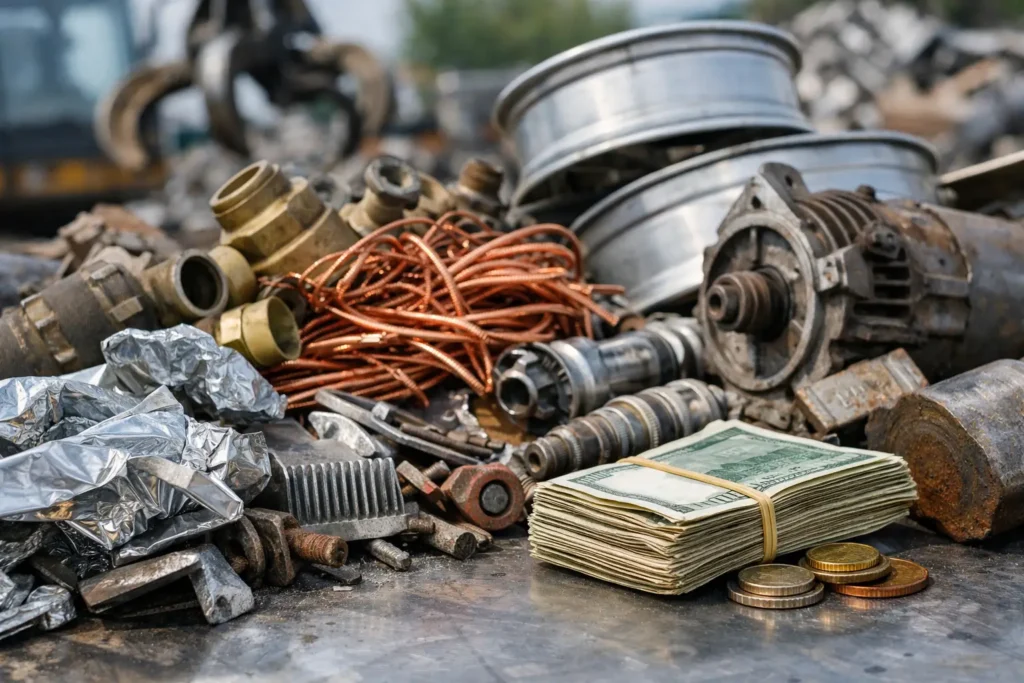
If you’ve got a pile of old wire, broken fittings, car parts or factory offcuts sitting around, knowing the best metals to scrap can make a real difference to what you get paid. Some metals are consistently worth more, some are easier to collect in volume, and some only pay well if they’re sorted properly. If the goal is simple – turn scrap into cash without wasting time – it pays to know what to hold onto and what to separate before you bring it in.
What makes the best metals to scrap?
The best return usually comes down to three things: market value, how clean the metal is, and how easy it is to sort. High-value non-ferrous metals generally pay better than ferrous metals, but volume matters too. A small amount of copper can be worth more than a much larger pile of mixed steel, yet a steady run of steel from a workshop or demolition site can still add up fast.
Condition matters as much as the type of metal. Clean, separated scrap is more valuable than mixed loads contaminated with plastic, rubber, timber or other rubbish. That is why tradespeople, mechanics and site operators who sort as they go usually get stronger returns than sellers who throw everything into one bin and deal with it later.
Copper is usually the top earner
When people ask about the best metals to scrap, copper is almost always near the top of the list. It is widely used, easy to identify once you know what you’re looking at, and consistently in demand across the recycling market.
You’ll find copper in electrical wire, plumbing pipe, hot water systems, motors and air conditioning units. Bright, clean copper usually commands the strongest price, while insulated wire, burnt copper or mixed copper grades may be priced differently. The key point is that preparation counts. If you separate clean copper pipe from mixed fittings and keep insulated wire aside instead of dumping it all together, you’re far more likely to get paid properly for each grade.
For sparkies and demolition crews, copper often delivers the best return per kilo. For homeowners, even smaller amounts from renovation work can be worth hanging onto rather than throwing in the skip.
Brass holds solid value and is common in plumbing scrap
Brass is another strong performer and often gets overlooked because people mistake it for other yellow-coloured metals. In reality, brass is one of the more valuable everyday scrap metals, especially for plumbers, renovators and anyone clearing out old fixtures.
Taps, valves, fittings, hose bibs, locks and decorative hardware often contain brass. It is heavier than it looks and can build into a worthwhile load surprisingly quickly. Clean brass without attached steel, plastic or ceramic will usually attract a better rate than mixed fittings that still need extra processing.
For trade sellers, brass is one of those metals that rewards good housekeeping. A separate tub in the van or workshop for old fittings can turn what looks like general job waste into decent money over time.
Aluminium is easy to find and worth collecting in volume
Aluminium will not always match copper or brass on price per kilo, but it is still one of the best metals to scrap because it is everywhere. Window frames, old doors, fencing, ute trays, cast parts, gutters, wheels and drink cans are all common sources.
Its real advantage is volume. Aluminium is light, so you need more of it to build weight, but many businesses and households generate it regularly. Builders, fabricators and automotive sellers often end up with enough aluminium scrap to make collection worthwhile, especially when it is kept separate from steel and other mixed metals.
There are also different grades of aluminium. Clean extrusions, cast aluminium and mixed aluminium can all be valued differently. If you’ve got old window frames with rubber, glass or screws still attached, removing those extras can improve the result. The cleaner the load, the smoother the process.
Stainless steel can be worthwhile, but grade matters
Stainless steel often surprises sellers. It looks like regular steel to the untrained eye, but it can be worth more depending on the grade and composition. You’ll commonly find it in sinks, benches, kitchen equipment, factory gear, medical equipment and some automotive parts.
The catch is that not all stainless is equal. Some grades contain more nickel and have stronger scrap value than others. That means stainless can be a good earner, but accurate grading matters. For commercial and industrial sellers, this is where dealing with an experienced yard makes a difference. Proper sorting can mean the difference between a standard steel price and a much better stainless return.
If you’re unsure whether something is stainless or just plated steel, don’t guess with a grinder or damage it trying to work it out. Keep it separate and have it checked properly.
Lead, batteries and specialty metals can pay well
Lead is heavy and often found in old batteries, roofing materials, flashing and some industrial applications. Because of its weight, it can be worthwhile even in moderate quantities. Used batteries can also carry scrap value, especially from automotive and workshop sources, but they need to be handled and stored safely.
Then there are specialty metals such as nickel alloys, certain cable types, electric motors and radiators. These may not show up in every household clean-up, but for mechanics, auto wreckers, HVAC contractors and industrial operators, they can form a valuable part of a larger scrap load.
This is where experience counts. A mixed pile of workshop scrap might contain several items with stronger value than standard steel, but only if they’re identified and separated correctly.
Steel is common, but it’s a volume game
Steel is by far the most common scrap metal people bring in. It comes from whitegoods, car bodies, roofing, machinery, structural beams, shelving and general site clean-ups. It usually pays less per kilo than non-ferrous metals, but that does not mean it isn’t worth scrapping.
With steel, volume is everything. A few random bits in the shed might not amount to much, but larger clean-outs, factory clearances, demolition jobs and unwanted vehicles can create enough tonnage to make it worthwhile. If you run a workshop, own a property with old farm or building materials, or manage industrial waste, steel can be a reliable way to clear space and get paid at the same time.
The main mistake people make is mixing better-paying metals into a steel load. That can drag down the value of everything. Copper, brass, aluminium and stainless should always be sorted out first where possible.
How to get more for scrap metal
Getting the best price is not just about what metal you have. It’s also about how you present it. Clean, sorted scrap is faster to assess and usually worth more than mixed, dirty loads.
If you can, separate ferrous from non-ferrous metals before you arrive. Keep copper wire away from brass fittings. Put aluminium in its own pile. Remove obvious rubbish, timber, plastic and insulation where practical. You do not need to spend hours making everything perfect, but a bit of sorting can lift the value and reduce delays.
It also helps to think in terms of repeat value, not just one-off clean-ups. For tradies and businesses, collecting scrap properly on every job builds a regular revenue stream. What gets tossed in the bin at one site can turn into steady cash over a month.
Which scrap metal is best for you?
The answer depends on what kind of seller you are. For electricians, copper is often the standout. For plumbers, brass and copper are both strong earners. For mechanics, batteries, radiators, alloy wheels and mixed non-ferrous metals can add up well. For builders and renovators, aluminium, steel and site offcuts are usually the main opportunity. For households, old appliances, wire, taps, window frames and car parts are often the easiest place to start.
The best metals to scrap are the ones you can identify, separate and move efficiently. High-value metals are great, but not if they sit in a corner for six months because no one gets around to sorting them. A lower-value metal in good volume can still be worth more than a premium metal in tiny amounts.
That is why a practical approach wins. Know what you have, keep it clean, and do not let valuable metals disappear into general waste. Sellers across Melton and wider Victoria often have more scrap value on site than they realise.
If you’re not sure what your load is worth, the smart move is to get it looked at properly rather than guessing. A good scrap run is not just about clearing junk – it’s about getting paid fairly for metal that still has real value.